Industrial Engineering
-
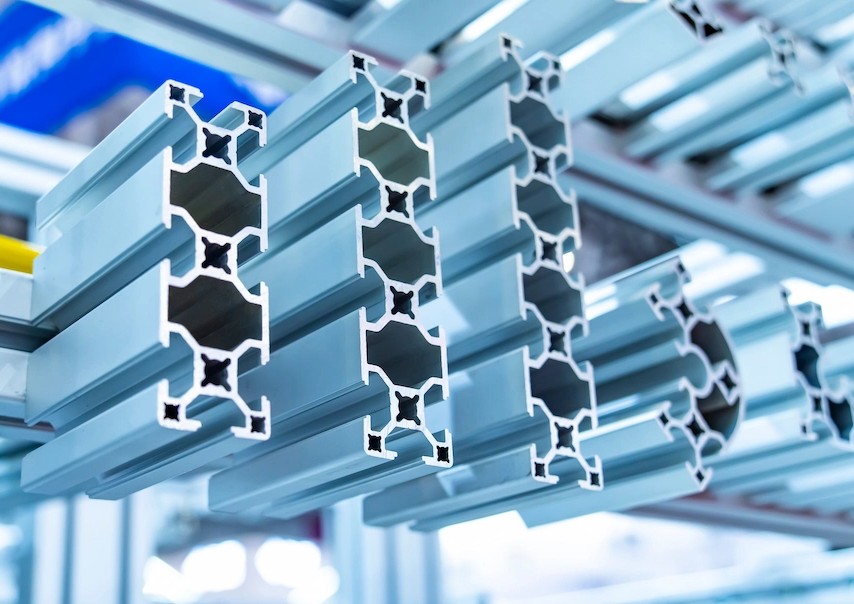
5 Aluminum Profiles for Industrial Use that Being Produced by Aluminum Extrusion Factory in Indonesia
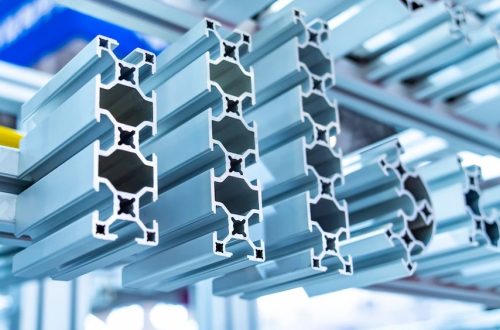
Aluminum extrusion offers industrial buyers a strong value proposition, especially when sourced directly from an Indonesia aluminum factory like Exalum Metal. The material’s light weight, corrosion resistance, and efficient machining make it a top choice in various industrial settings. For industries seeking reliable supply and cost-effective solutions, connecting with a factory like Exalum Metal removes middlemen and guarantees traceability and quality assurance. Exalum Metal’s Tangerang facility specializes in producing a broad range of Exalummetal industrial aluminum products. These profiles are created using 6063-T5 and 6061-T6 billets, pressed through custom-maintained dies, and typically shipped in standard six-meter lengths under a 30-day quality guarantee. So, what are 5 aluminum profiles for industrial use that being…
-
Recognizing Early Signs of Industrial Fatigue Failures
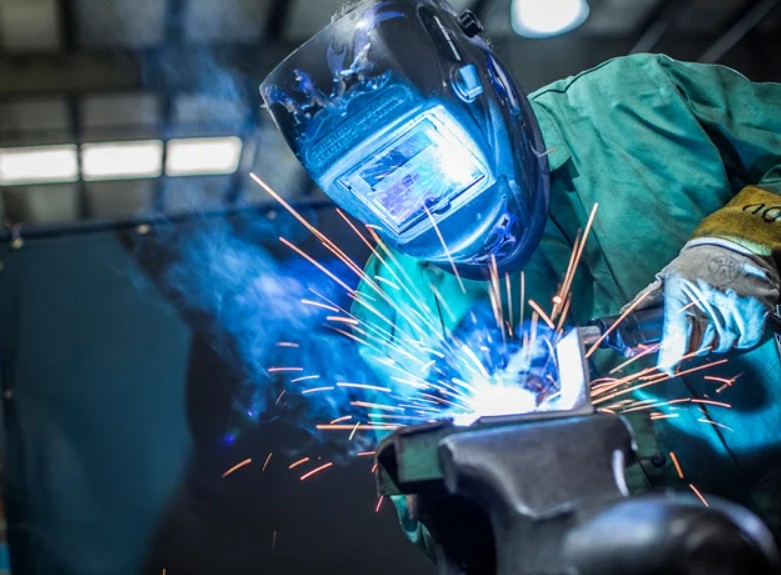
Industrial equipment rarely fails without warning. More often, it degrades gradually under repeated stress until a small crack becomes a serious structural issue. Fatigue isn’t the result of a dramatic event. It is a process that develops under normal operating conditions, particularly in components that experience vibration, cyclic loading, or thermal expansion and contraction. Understanding how and why fatigue develops allows facility managers and maintenance teams to act early, before downtime and structural compromise become costly realities. Fatigue begins at the microscopic level. Repeated stress cycles create localized strain within the grain structure of metal. Over time, this strain concentrates around weld toes, drilled holes, sharp transitions, and threaded regions. These stress…
-
The Lifecycle of Shipping Containers: From Global Freight to Domestic Use
Shipping containers are often treated as static products, but in reality they move through a long and predictable lifecycle. By the time a container reaches the domestic resale market in Canada, it has usually completed years of international service. Understanding this lifecycle helps buyers assess value, anticipate limitations, and select containers that match real-world needs. This article explains how containers transition from global freight assets to domestic infrastructure and storage solutions. How Shipping Containers Enter Service Most shipping containers are manufactured overseas and placed into international circulation immediately. During this phase, containers are stacked on vessels, lifted repeatedly by cranes, and exposed to salt air, heavy cargo, and constant movement.…
-
How Industrial Screening Efficiency Affects Plant Throughput
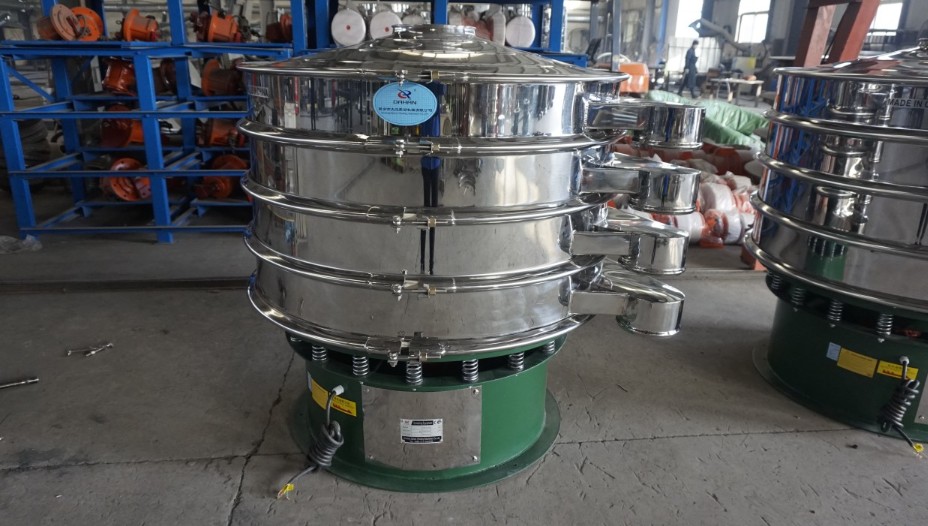
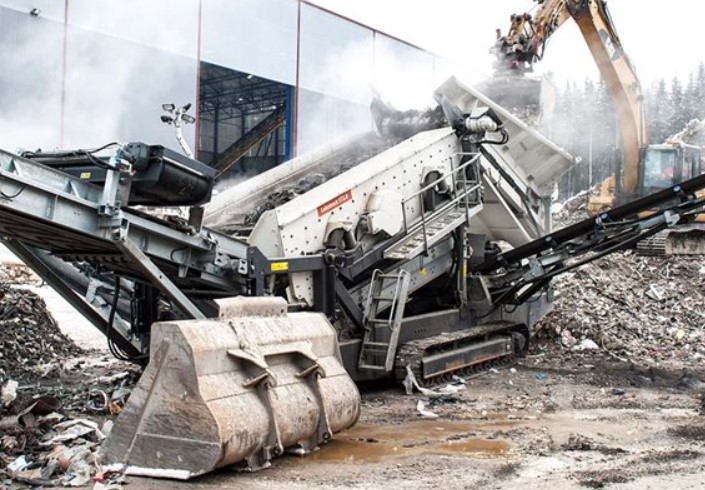
Throughput often gets discussed as if it lives somewhere downstream. People look at conveyors, crushers, mixers, or packaging lines when output slows. Screening equipment sits earlier in the process, quietly doing its job, which makes it easy to overlook. That quiet role hides how much influence screening efficiency has on the pace and consistency of an entire operation. When a screen performs well, material moves smoothly. When it does not, everything behind it feels the effect. Oversized material sneaks through. Fine material builds up where it should not. Load balances shift. None of this happens all at once. Throughput erodes in small increments that feel manageable until they are not. …
-
3 Reasons Industrial Electrical Rewires Are Essential for Preventive Maintenance
Running an industrial operation, a factory, a warehouse, a large manufacturing plant, is a non-stop, high-stakes game. When everything is running smoothly, you barely think about the wiring inside the walls and ceilings. But here’s the thing: your electrical system is the unseen, vital infrastructure that powers your entire enterprise. Ignoring it until something breaks down could lead to lost production, damaged equipment, and a serious safety risk. If you’re looking to secure your facility’s future and avoid those crippling, unexpected outages, prioritizing Electrical Rewires Liverpool is vital. Here’s why. 1. Eliminating Fire Risk from Degrading Components This is, without a doubt, the most serious reason to consider an industrial…
-
Seeing The Invisible: How Thermography Empowers Electrical Reliability
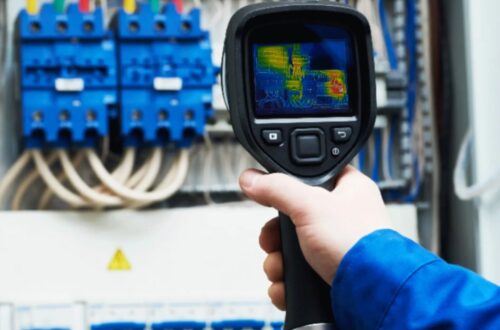
In complex industrial facilities, electrical failures don’t always announce themselves with sparks or smoke. Often they begin quietly: a loose connection heating up, an imbalanced load creeping past its threshold, or insulation weakening over time. Thermography gives you the ability to “see” those hidden threats before they become emergencies. By using infrared imaging, thermography captures temperature patterns across equipment surfaces. What looks like a uniform metal surface in visible light can reveal alarming hot spots under infrared — the subtle signs of resistance, degradation, or overuse. In a successful program, those scans become part of a continuous diagnostic system rather than a one-time checkup. Beyond just detection, good thermographic services deliver actionable insights. A technician will…
-
The Complete Guide to Purchase of an Industrial Ice Maker or Commercial Ice Machine
In food service, hotel, or industrial settings, a dependable ice maker is very vital. Whether you run a manufacturing plant, café, hotel, or restaurant, the correct ice machine guarantees a regular fresh ice supply. Whether your company wants an industrial ice maker sale or a commercial ice machine, you should choose a type that effectively fits your demands. Knowing the Differences between Industrial and Commercial Ice Machines Knowing the differences between commercial and industrial ice machines is really vital before you buy. Businesses include restaurants, bars, and cafés where daily moderate to high ice output is required are intended users for a commercial ice maker. Conversely, an industrial ice maker—often…
-
The Evolution of Functional Industrial Coatings: From Protection to Innovation
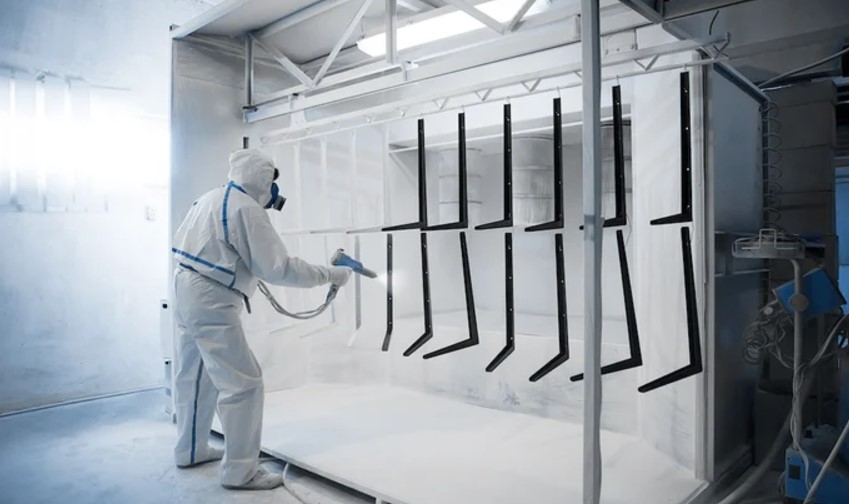
Functional industrial coatings have undergone remarkable advancements over the centuries, evolving from basic protective layers to highly specialized solutions that drive innovation across industries. From their humble beginnings in the 1800s, utilizing natural materials like resins and rubber, to the adoption of synthetic polymers and nanotechnology, these coatings have transformed to meet the demands of modern industry. Today, they play a critical role in enhancing durability, efficiency, and sustainability across a wide range of applications. This infographic traces the fascinating journey of functional industrial coatings, highlighting key milestones in their development and the impact they’ve had on industries such as aerospace, automotive, and chemical processing. It also explores future trends…
-
Reducing C&D Waste: Strategies for Sustainable Construction and Demolition
To keep up with the expanding global population, the construction and demolition (C&D) industry must undergo continual development. The constant addition of new buildings, from residential to commercial, results in significant waste production. C&D waste represents 40{53ed28d223a4415f45f82b5e3e66625b5ba2d29a1cba4099bda1615b910c8a6d} of the total solid waste generated worldwide each year, with the U.S. alone accounting for nearly 100 million tons. Although some waste is unavoidable, there are numerous methods to minimize the enormous amounts produced annually. This guide will explore various strategies that C&D companies of all sizes can use to enhance waste reduction and minimize environmental harm. First, it’s important to recognize the causes of C&D waste. A significant contributor is the lack…
You May Also Like
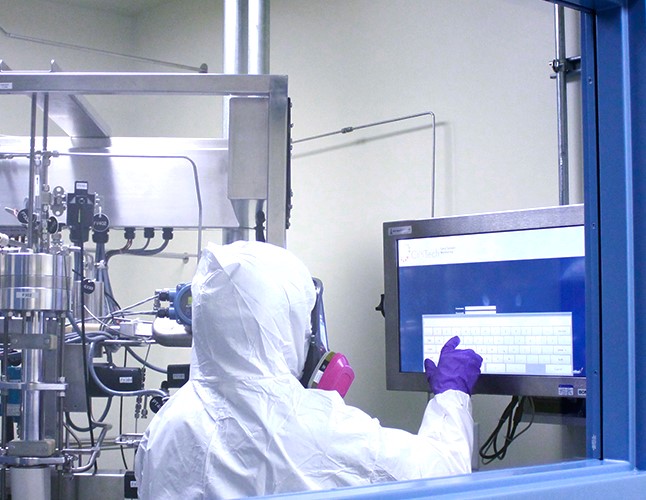
Advancing Pharmaceutical Innovation: How Spray Drying is Redefining Drug Formulation and Delivery
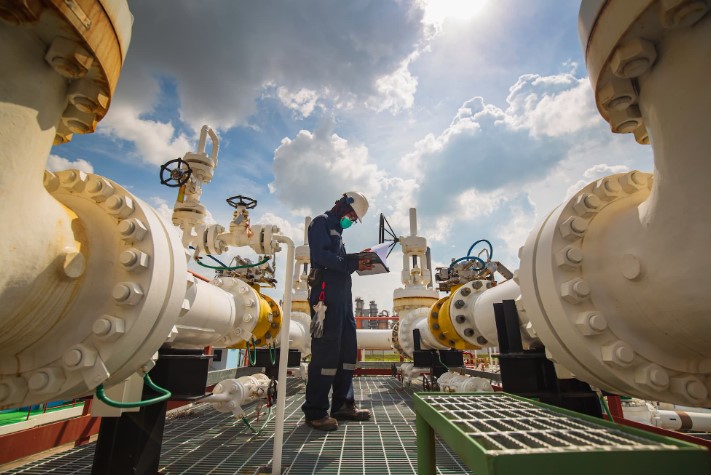
Ensuring Reliability in the Oil and Gas Industry: The Role of Preventive and Predictive Maintenance in Equipment Longevity and Operational Efficiency
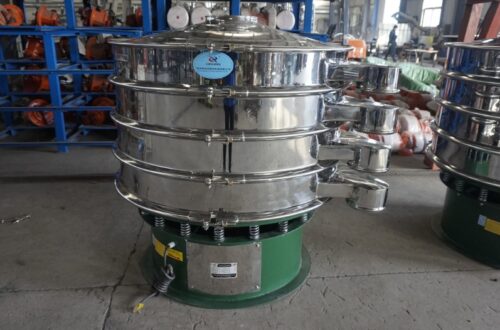
How Industrial Screening Efficiency Affects Plant Throughput
-
Ensuring Reliability in the Oil and Gas Industry: The Role of Preventive and Predictive Maintenance in Equipment Longevity and Operational Efficiency
The global economy and our daily routines are deeply intertwined with the oil and gas industry, a key sector that fuels our modern lifestyle. This multi-billion-dollar industry influences many facets of life, making it essential to properly maintain the complex equipment and specialized machinery that keep the entire supply chain functioning without interruption. In the oil and gas sector, harsh operating conditions are common, from extreme temperatures to abrasive particles. Equipment components must be able to endure these conditions while performing safely and efficiently. To meet these challenges, operators use preventive maintenance (PM), which involves regularly scheduled upkeep based on usage or time intervals. PM activities include replacing parts, making…