-
Five forklift safety hotspots on the manufacturing floor
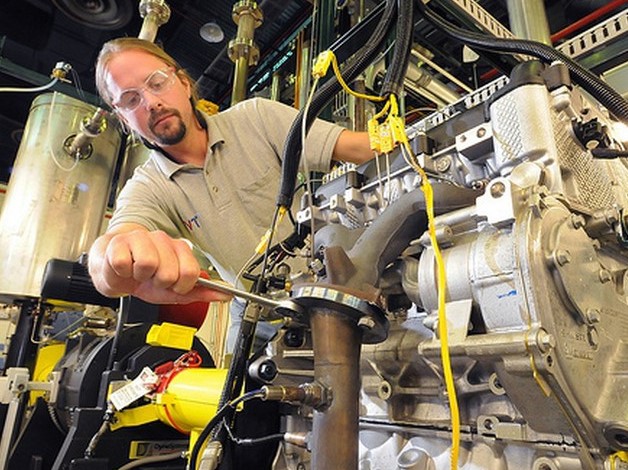
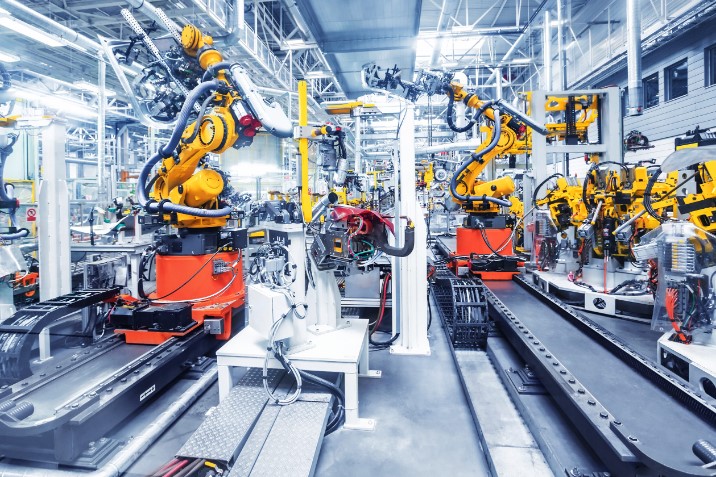
Forklifts in manufacturing plants share space with production lines, fixed machinery, delivery trucks and people focused on their own tasks. That mix creates risk points that look different to a standard warehouse. Here are five areas worth reviewing with fresh eyes, along with the controls that make the biggest difference. 1. Battery charging bays Electric forklifts suit many manufacturing environments: no exhaust, lower noise and simpler maintenance. Their charging areas still need planning. Lead-acid batteries release hydrogen while charging, so charging bays need good ventilation and no ignition sources nearby. Battery electrolyte is corrosive, so provide eye protection, gloves, and an eyewash station within easy reach. Lithium-ion batteries remove the need for watering and reduce gassing, but they still need to be charged with the right equipment and to the…
-
Choosing a Luxury Watch: Why Specialist Knowledge Matters
Luxury watches have long appealed to people who value craftsmanship, heritage and enduring design. For many buyers, a well-chosen watch is more than an accessory. It can become something worn for years, collected alongside other timepieces or eventually passed on to another generation. Rolex remains one of the most recognisable names within the luxury watch market, with models such as the Submariner, Datejust, Daytona and GMT-Master attracting continued interest from buyers and collectors. However, choosing a pre-owned luxury watch requires more consideration than simply selecting a preferred model. Understanding the Pre-Owned Luxury Watch Market The preowned market gives buyers access to a much wider range of watches, including models that…
-
Building Digital Traceability Into Automotive Component Manufacturing
Automotive suppliers are under constant pressure to deliver consistent parts, respond quickly to quality concerns, and prove what happened during production. A traceability system is the practical link between those demands. It records the journey of a component—from incoming material and machine settings to inspection results, packaging, and shipment—so that a manufacturer can investigate a problem without relying on incomplete paperwork or memory. What traceability means on the production floor Traceability is often described as the ability to follow a product forwards and backwards through the supply chain. In a manufacturing setting, that definition becomes more specific. A plant should be able to identify which material batch was used for…
-
5 Aluminum Profiles for Industrial Use that Being Produced by Aluminum Extrusion Factory in Indonesia
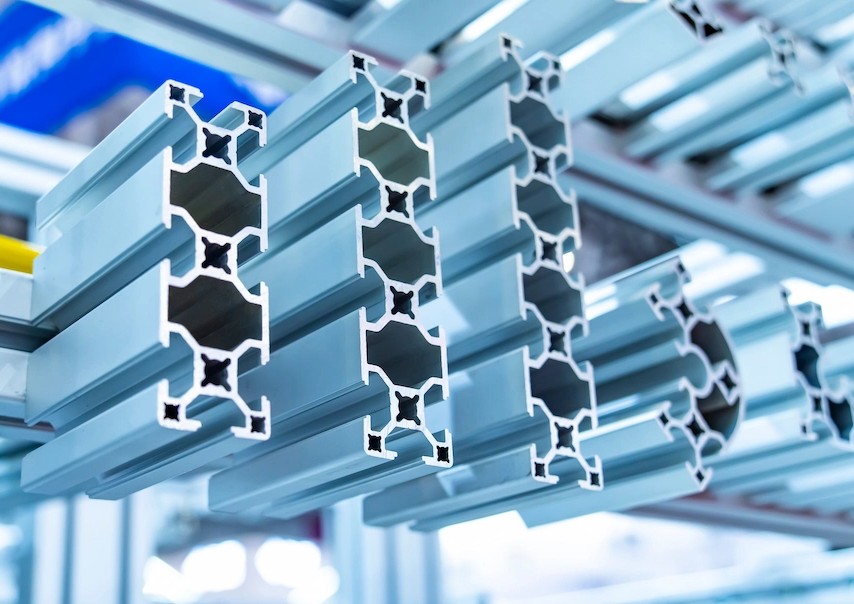
Aluminum extrusion offers industrial buyers a strong value proposition, especially when sourced directly from an Indonesia aluminum factory like Exalum Metal. The material’s light weight, corrosion resistance, and efficient machining make it a top choice in various industrial settings. For industries seeking reliable supply and cost-effective solutions, connecting with a factory like Exalum Metal removes middlemen and guarantees traceability and quality assurance. Exalum Metal’s Tangerang facility specializes in producing a broad range of Exalummetal industrial aluminum products. These profiles are created using 6063-T5 and 6061-T6 billets, pressed through custom-maintained dies, and typically shipped in standard six-meter lengths under a 30-day quality guarantee. So, what are 5 aluminum profiles for industrial use that being…
-
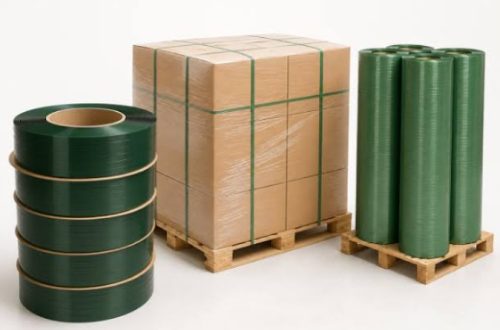
What Manufacturing Evidence Should Travel With a PET Strap Order
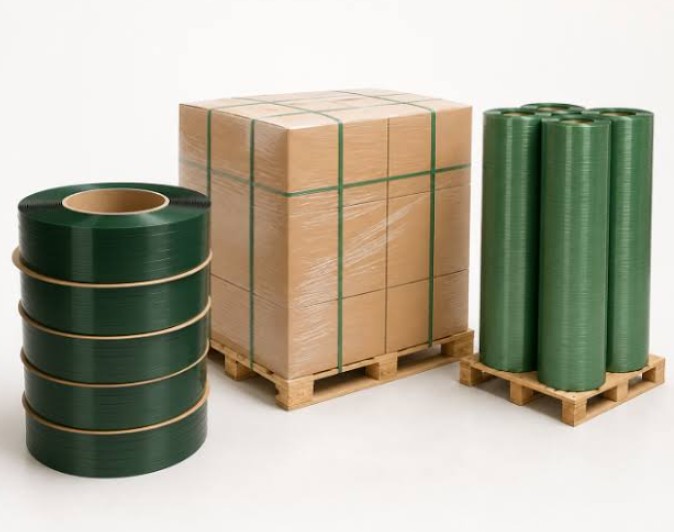
Production staff for manufacturing engineers and quality buyers begins with manufacturing evidence, not with the cheapest reel or the strongest-looking headline. Material batch, width tolerance, break test, and release record create the operating context. Without that context, a comparison among PET granulation, extrusion, heat setting, and finished reel is only a comparison of labels. The better route is to preserve the decisions in a working PET Strap Evidence Pack that purchasing, production, and receiving can all read. Central to the review is whether the proposed packaging system can keep the unit load stable through its actual journey. That journey includes packing, internal movement, storage, loading, transit, unloading, and the receiver’s…
-
The Handover Test for Sample Conditioning and Signal Integration
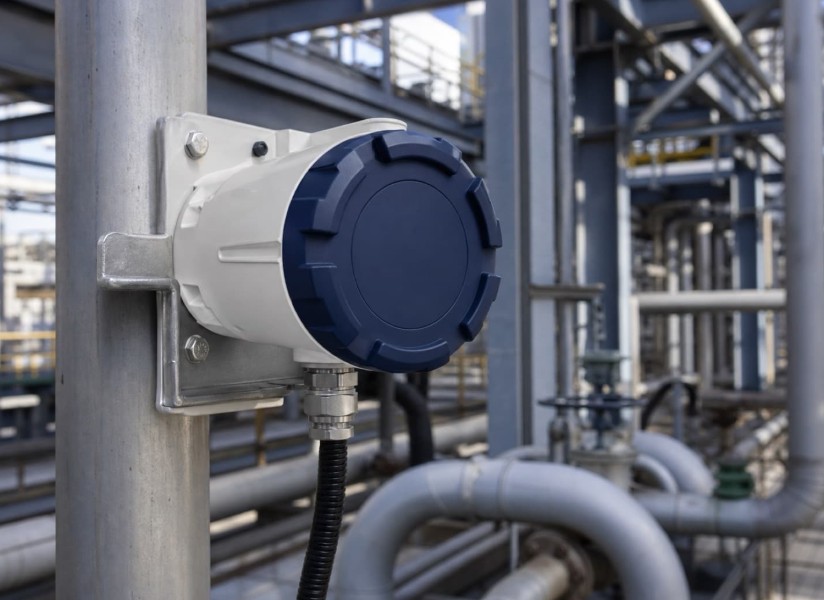
Sample conditioning and signal integration become expensive problems when sampling conditioning systems, extractive analyzers, in-situ analyzers, and OEM gas analyzers are treated as separate work packages and only reunited during commissioning. An analyzer project is easier to accept when the integration team can trace the intended process observation through the sample route or sensing path, into the analyzer, across the control interface, and into the record used by operations. That trace is the handover test. This handover test does not ask whether equipment was delivered. It asks whether the completed arrangement can be explained, checked, and supported by people who did not design it. For manufacturing engineers and system integrators,…
-
What Manufacturing Evidence Should Travel With a Modular Stormwater System
An industrial buyer rarely purchases a modular stormwater system as a visible finished product. The StormTank module is shipped, assembled, wrapped, connected, buried, and then expected to perform inside a project-specific envelope. By the time an asset owner sees a problem, the manufacturing label, packing record, installation sequence, and selected module grade may be far from the site. That makes handoff evidence part of product quality. A headline claim about load or material can be useful, but only when the buyer can connect it to the exact model, batch, drawing, and intended application. Otherwise, impressive documents may travel with the shipment while the site team still cannot answer which crate…
-
How Advanced Aluminum CNC Machining Is Supporting the Future of Smart Manufacturing
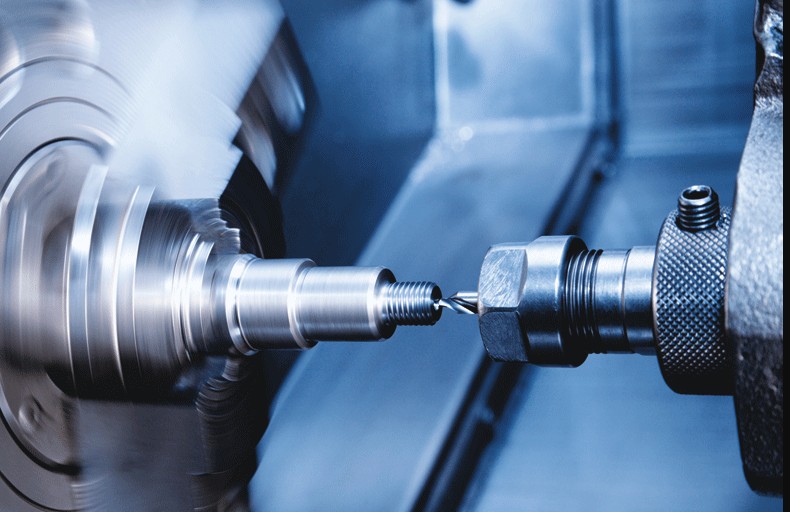
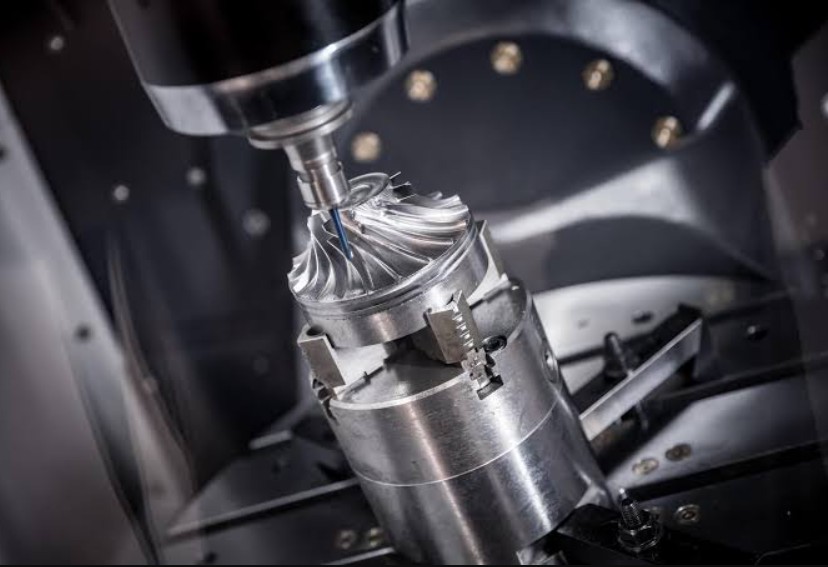
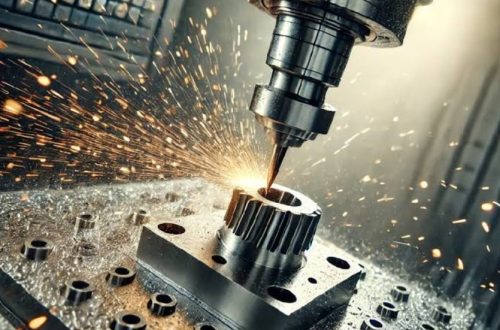
Manufacturing is entering a new era where technology, engineering expertise, and business strategy are becoming increasingly connected. Companies are no longer competing only through production volume or labor costs. Instead, competitiveness increasingly depends on flexibility, precision, speed, and the ability to respond quickly to changing market demands. From electric vehicles and robotics to semiconductor equipment and automation systems, modern industries require lightweight, durable, and highly accurate components. This shift is driving greater adoption of advanced manufacturing technologies, especially precision CNC machining solutions for aluminum components. As manufacturers continue investing in digital transformation, aluminum CNC machining has become an important technology that bridges engineering innovation with scalable production. The combination of…
-
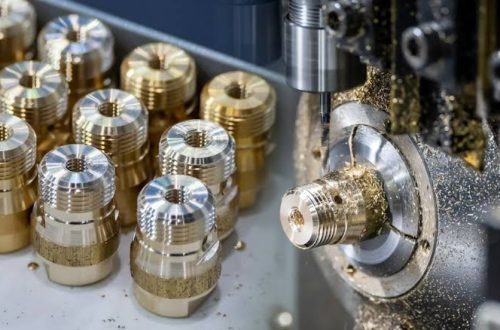
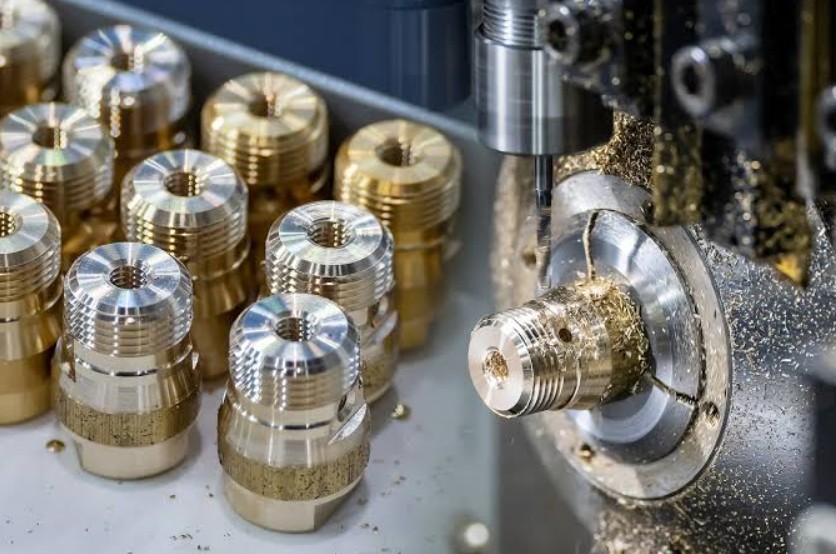
Why Precision-Cut Brass Matters in Aerospace Manufacturing
The aerospace industry demands materials that meet strict standards for quality, consistency, and performance. Every component, regardless of size, must fit precisely within complex assemblies while maintaining reliability under demanding operating conditions. For this reason, manufacturers often rely on precision-cut brass for aerospace applications where dimensional accuracy, machinability, and dependable material quality are essential. From prototype development to large-scale production, precision-cut brass helps manufacturers improve efficiency by delivering materials that are ready for fabrication with minimal additional processing. Whether the application involves structural components, electrical systems, fittings, or specialized hardware, starting with accurately processed material can save valuable production time while improving consistency throughout the manufacturing process. The Benefits of…
-
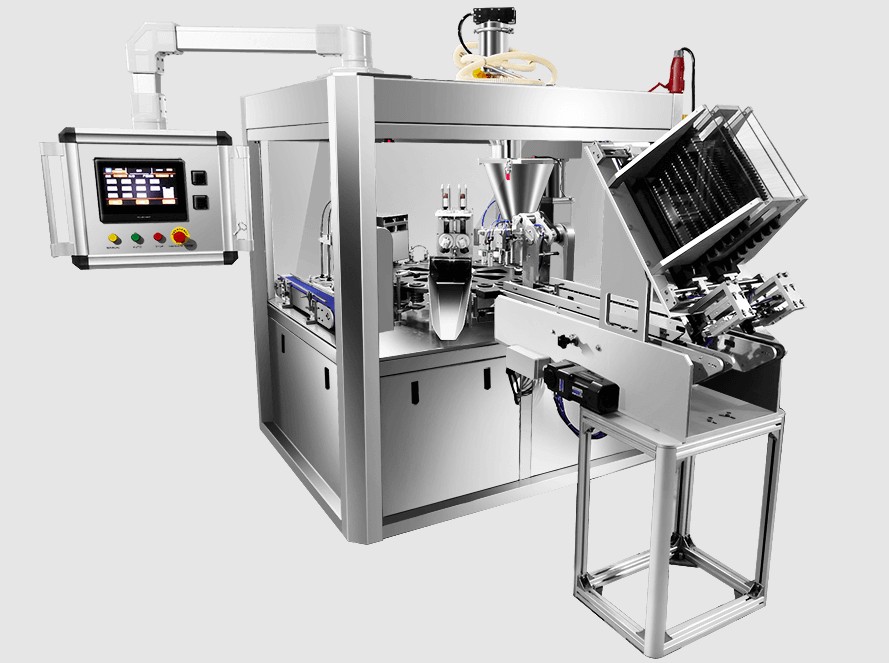
How to Verify Coffee Capsule Dose Without Hiding the Measurement Context
Many coffee capsule dose discussions begin with a number and end too soon. Someone weighs a capsule, sees a result that feels surprising, and asks whether the line is accurate. On its face, the question sounds direct, yet the reading may describe several different things: a filled capsule before lidding, a finished unit with a lid, a sample from one point in a run, or a product that has already passed through other handling steps. Without the measurement context, the number is only a fragment. Better dose review records what was weighed, where it was taken, which capsule family applied, which materials were in use, and what decision the result…