Industrial Safety
-
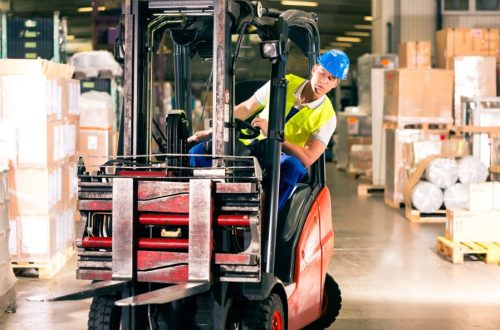
Five forklift safety hotspots on the manufacturing floor
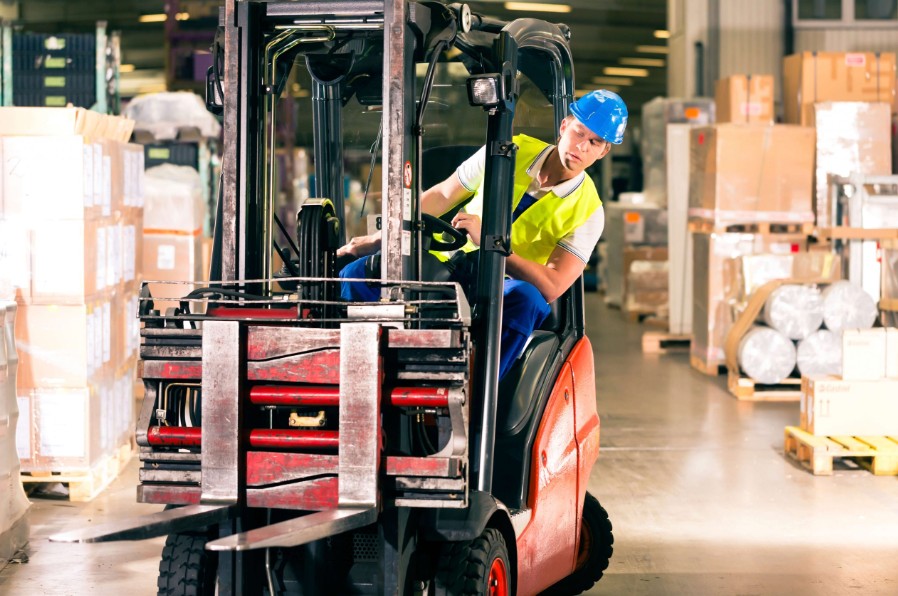
Forklifts in manufacturing plants share space with production lines, fixed machinery, delivery trucks and people focused on their own tasks. That mix creates risk points that look different to a standard warehouse. Here are five areas worth reviewing with fresh eyes, along with the controls that make the biggest difference. 1. Battery charging bays Electric forklifts suit many manufacturing environments: no exhaust, lower noise and simpler maintenance. Their charging areas still need planning. Lead-acid batteries release hydrogen while charging, so charging bays need good ventilation and no ignition sources nearby. Battery electrolyte is corrosive, so provide eye protection, gloves, and an eyewash station within easy reach. Lithium-ion batteries remove the need for watering and reduce gassing, but they still need to be charged with the right equipment and to the…
-
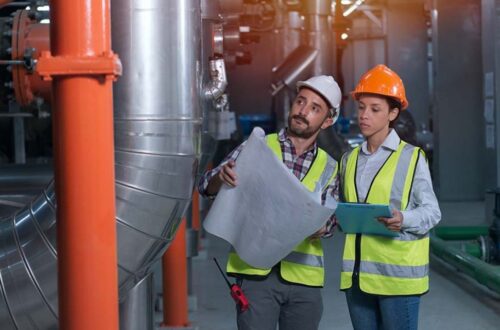
Strengthening Safety for Workers in Power Generation Environments
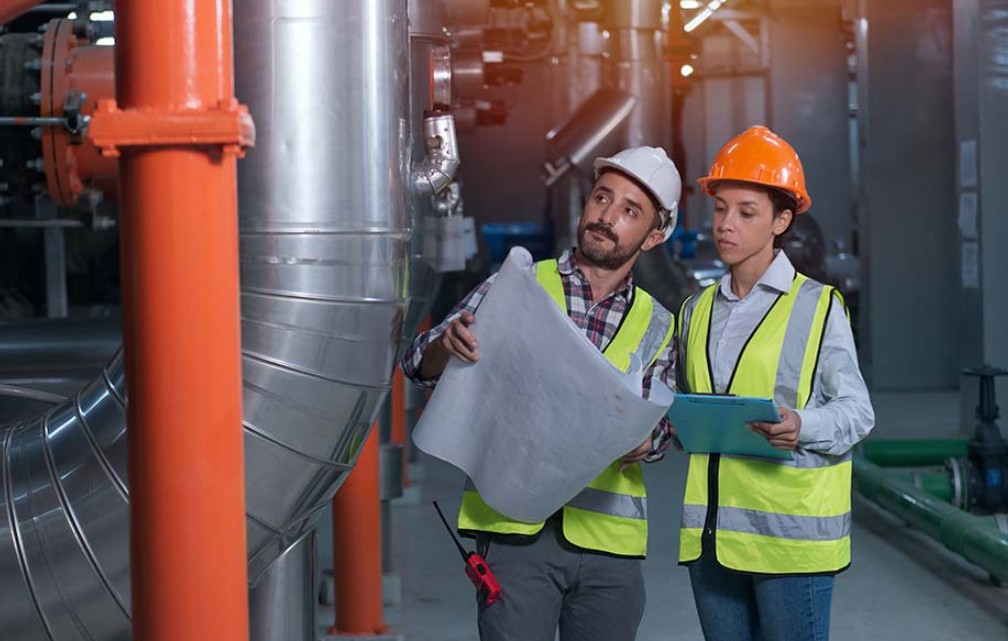
Modern society depends on a constant supply of electricity, and that reliability is made possible by the people who operate and maintain power generation facilities. These environments present a range of hazards, making worker protection a critical priority. Safeguarding employees from injury, including serious and life-threatening incidents, is not just about meeting regulations. It is a core responsibility that supports long term operational success and workforce well-being. Understanding Workplace Risks Work in power generation facilities involves far more than monitoring systems from a control room. Employees are routinely exposed to high-voltage equipment, flammable materials, radiation sources, and elevated work areas. Electrical hazards remain among the most serious, with incidents capable…
-
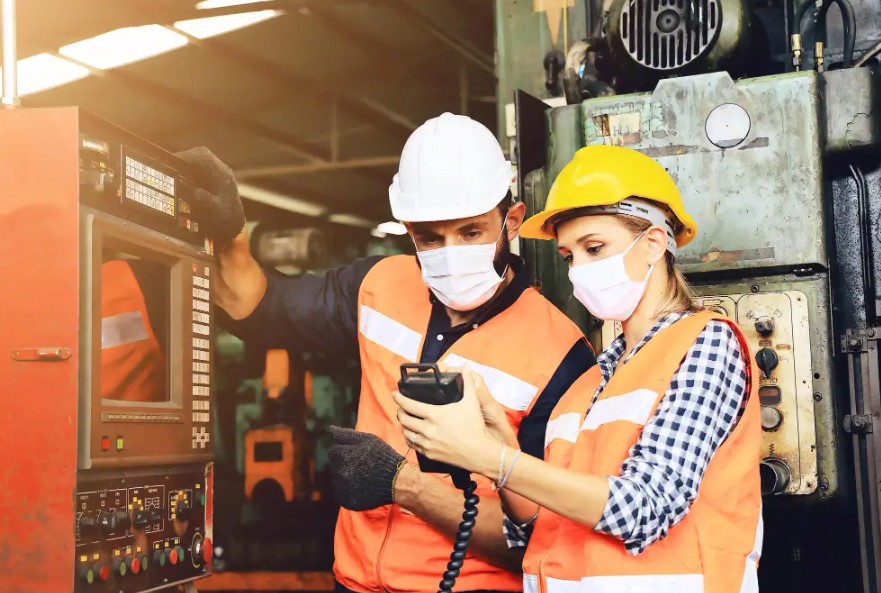
Unseen Ignition Threats in Industrial Operations
Combustible dust remains one of the most underestimated hazards in industrial facilities. While safety programs often concentrate on major equipment failures or obvious fire risks, smaller and less visible dangers can quietly develop over time. Dust that settles out of sight can become a serious ignition threat, making prevention and early intervention far more effective than reacting after an incident occurs. One of the reasons combustible dust is so dangerous is the way accumulation and ignition sources interact. Dust may collect gradually on overhead structures, inside ventilation systems, or along unused ledges without causing immediate concern. The risk escalates when an ignition source is introduced. Static discharge, friction heat, or…
-
Time Is Critical: Why Early Hazard Detection Matters in Industrial Workplaces
In industrial environments where chemicals, pressurized systems, and complex equipment all operate side by side, safety depends heavily on speed. The margin between a controlled incident and a dangerous emergency is often measured in minutes or even seconds. Even with strong procedures and thorough training in place, one reality remains clear: when hazard detection is delayed, situations that could have been contained quickly can escalate into major events that threaten people, equipment, and the surrounding area. Whether the concern is a gas leak, vapor release, or an unexpected electrical spark, industrial operations face risks that require constant awareness. When detection systems fail to respond quickly enough, the sequence of events…
-
Reducing Workplace Dust: Protecting Employee Health Through Safety Programs and Innovation
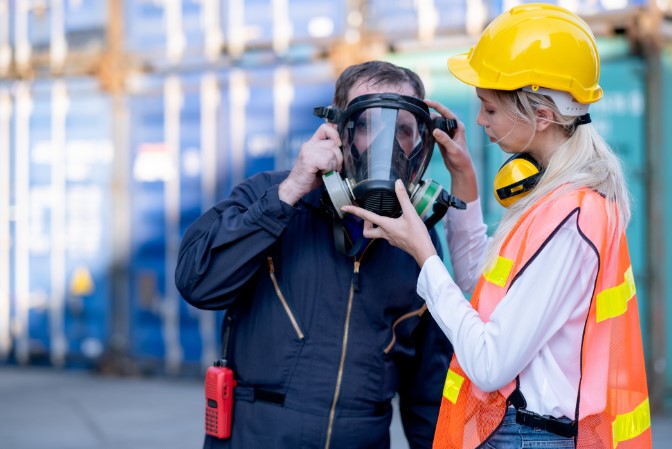
Minimizing dust levels in your facility is crucial for maintaining a safe and healthy work environment. Airborne dust contamination can lead to serious health issues, including lung diseases such as pneumonia, pneumoconiosis, and extrinsic allergic alveolitis, as well as certain cancers. Beyond respiratory problems, dust exposure can also cause damage to the eyes and skin, potentially leading to skin conditions or even cancer. Given the significant risks associated with dust exposure, it is essential for businesses to take comprehensive measures to protect their workers. Many organizations have implemented specialized programs aimed at mitigating these risks. These programs often start with thorough education and training for all employees, emphasizing the dangers…