How Industrial Screening Efficiency Affects Plant Throughput
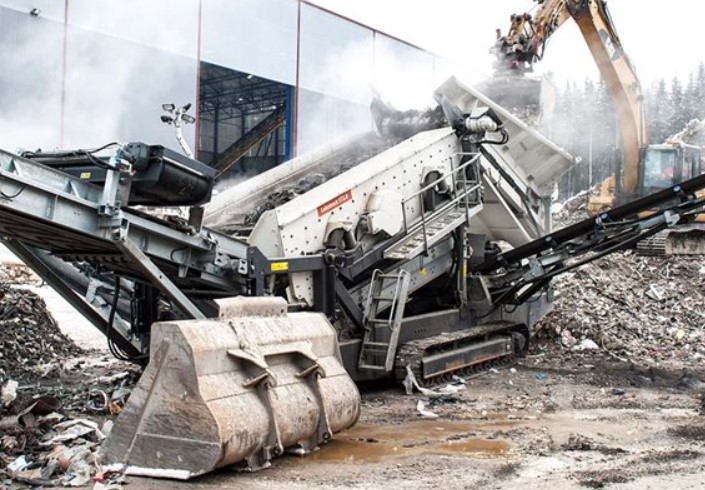
Throughput often gets discussed as if it lives somewhere downstream. People look at conveyors, crushers, mixers, or packaging lines when output slows. Screening equipment sits earlier in the process, quietly doing its job, which makes it easy to overlook. That quiet role hides how much influence screening efficiency has on the pace and consistency of an entire operation.
When a screen performs well, material moves smoothly. When it does not, everything behind it feels the effect. Oversized material sneaks through. Fine material builds up where it should not. Load balances shift. None of this happens all at once. Throughput erodes in small increments that feel manageable until they are not.
Screen efficiency begins with separation accuracy. A screen that fails to separate material cleanly sends work downstream that should have been handled earlier. That extra work slows later stages and increases wear across the system. Operators often compensate without realizing it. Speeds increase. Settings get adjusted. These changes mask the root issue while quietly reducing stability.
Material flow plays a major role here. Efficient screens distribute material evenly across the surface. When flow concentrates in one area, wear accelerates and separation quality drops. That uneven distribution reduces usable capacity even if the machine continues running. Throughput suffers not from stoppage but from imbalance.
Wear patterns tell the story. Screens nearing the end of their service life rarely fail outright. Instead they stretch, polish, or deform in ways that reduce open area. Less open area means less material passes through per cycle. The machine still vibrates. The deck still moves material. Output just declines. Scheduled inspection catches these changes early. Skipped inspection allows slow loss to continue unnoticed.
Tension influences throughput more than many expect. Improper tension changes vibration behavior which affects stratification. Poor stratification limits separation. Limited separation sends mixed material forward. Mixed material slows everything that follows. Maintaining proper tension keeps vibration consistent and separation predictable.
Environmental factors matter too. Moisture content changes how material behaves on a screen. Screens that once handled dry product smoothly may struggle when conditions shift. Efficiency depends on selecting screen types that match real operating conditions rather than ideal ones. Throughput improves when screens match material behavior rather than forcing material to comply.
Downtime often receives the most attention, yet reduced throughput costs more over time. A plant running at eighty percent capacity for weeks loses more output than a brief planned stop for maintenance. Efficient screening keeps throughput close to design rates which protects margins quietly and continuously.
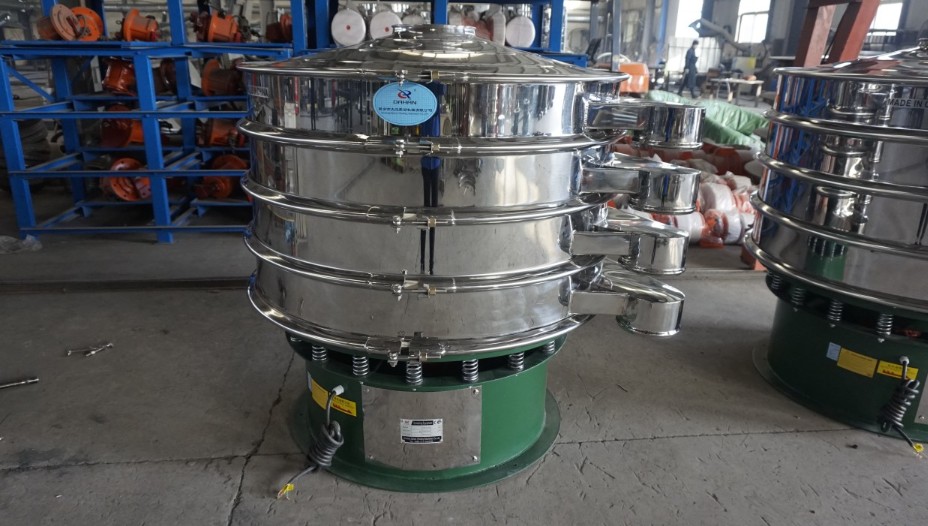
Industrial screen selection plays a role as well. Using the wrong opening size or screen style limits performance even when equipment appears healthy. Proper selection improves separation speed and reduces recirculation. Less recirculation means fewer bottlenecks and steadier flow through the system.
Maintenance ties all of this together. Scheduled checks keep screens operating within their intended range. They reveal small issues before they become systemic. Maintenance that focuses only on replacement misses opportunities to correct tension, flow, or alignment issues that directly affect throughput.
Throughput does not depend on one machine working harder. It depends on each step performing its role efficiently. Screening sets the tone early in the process. When screens work well, everything downstream benefits. When they do not, no adjustment later can fully recover what was lost.
Industrial screening efficiency shapes throughput every hour equipment runs. Paying attention to that influence keeps production steady, predictable, and far less reactive.


You May Also Like
Maximizing ROI Through Advanced Maintenance Strategies: Leveraging Preventive and Predictive Maintenance for Industrial Machinery
Understanding the Dangers: Fire and Explosion Hazards of Flammable Gases in Industry