How Advanced Aluminum CNC Machining Is Supporting the Future of Smart Manufacturing
Manufacturing is entering a new era where technology, engineering expertise, and business strategy are becoming increasingly connected. Companies are no longer competing only through production volume or labor costs. Instead, competitiveness increasingly depends on flexibility, precision, speed, and the ability to respond quickly to changing market demands.
From electric vehicles and robotics to semiconductor equipment and automation systems, modern industries require lightweight, durable, and highly accurate components. This shift is driving greater adoption of advanced manufacturing technologies, especially precision CNC machining solutions for aluminum components.
As manufacturers continue investing in digital transformation, aluminum CNC machining has become an important technology that bridges engineering innovation with scalable production. The combination of computer-controlled manufacturing, advanced design software, and improved process management enables companies to develop complex components with higher efficiency and reliability.
The Role of Manufacturing Technology in Business Growth
Manufacturing technology is no longer limited to improving factory productivity. It has become a strategic business tool that influences product development, supply chain management, and customer experience.
Modern manufacturers are integrating automation, data analytics, artificial intelligence, and digital engineering platforms to create more flexible production environments. These technologies help companies reduce development cycles, improve quality control, and respond faster to customized product requirements.
For businesses operating in competitive industries, manufacturing capability directly impacts market opportunities. A company that can quickly transition from prototype development to reliable production has a significant advantage.
This is particularly important for industries requiring lightweight and precision-engineered parts. Aluminum has become one of the most widely used engineering materials because it offers an excellent balance between strength, weight reduction, corrosion resistance, and machinability.
Why Aluminum CNC Machining Is Becoming More Important
Aluminum components are widely used across automotive, aerospace, electronics, robotics, medical equipment, and industrial automation sectors. However, modern applications require much more than basic metal cutting.
Engineers today need components with:
- Complex geometries
- Tight dimensional tolerances
- Excellent surface finishes
- Reduced weight
- Consistent production quality
Advanced CNC manufacturing provides manufacturers with the ability to produce these requirements efficiently.
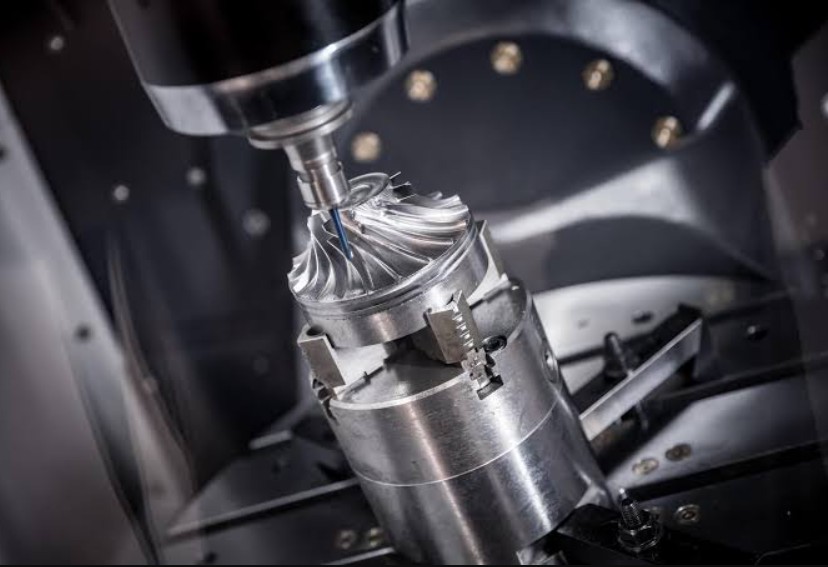
Through multi-axis machining technology, automated tooling systems, and optimized programming strategies, manufacturers can create intricate aluminum parts while maintaining repeatable quality.
For companies looking to understand the capabilities and advantages of this process, an in-depth Aluminum CNC Milling resource explains how precision milling technology enables manufacturers to achieve complex designs while maintaining production efficiency. Explore Flacon
aluminum CNC milling guide to learn the process, capabilities, accuracy and applications
The growing demand for customized products is also changing traditional manufacturing models. Instead of relying only on large-scale standardized production, many companies now require flexible manufacturing partners capable of handling prototypes, small batches, and high-volume production.
Digital Engineering and Smarter Production Workflows
One of the biggest changes in modern manufacturing is the connection between digital design and physical production.
Computer-aided design (CAD), computer-aided manufacturing (CAM), simulation tools, and automated inspection systems allow engineers to optimize components before machining begins.
This digital workflow reduces:
- Engineering errors
- Material waste
- Production delays
- Development costs
For aluminum components, design optimization is especially important because engineers often need to balance strength requirements with weight reduction.
A properly designed aluminum part can improve product performance while reducing assembly complexity and manufacturing costs.
Companies developing new products often rely on engineering knowledge and manufacturing expertise together. Understanding material properties, machining limitations, and design considerations is essential for achieving successful results.
A comprehensive Aluminum CNC Machining Guide helps engineers and purchasing teams better understand alloy selection, machining processes, tolerances, and manufacturing considerations when developing aluminum components.
Aluminum Components Supporting Emerging Industries
The growth of advanced industries is creating new opportunities for precision aluminum manufacturing.
In electric vehicles, lightweight aluminum components help improve energy efficiency and vehicle performance. In robotics, aluminum structural parts provide the strength and rigidity required for accurate movement. In semiconductor and automation equipment, precision-machined aluminum components support demanding operating environments.
Robotics and industrial automation are especially dependent on high-quality structural components. Robot frames, mounting brackets, motion system parts, and custom assemblies often require lightweight designs combined with exceptional dimensional accuracy.
For these applications, CNC machined aluminum structural components provide manufacturers with solutions that combine mechanical performance, design flexibility, and production consistency.
As industries continue adopting automation and intelligent equipment, demand for reliable precision components will continue to increase.
The Business Advantages of Partnering With Advanced Manufacturers
For companies developing new products, selecting the right manufacturing partner has become a critical business decision.
A capable manufacturing supplier provides more than machining services. The best partners contribute engineering support, material recommendations, production optimization, and quality management.
Key factors businesses should consider include:
Engineering Capability
Manufacturers with strong engineering knowledge can help optimize designs for manufacturability, reducing unnecessary costs and improving production efficiency.
Production Flexibility
Modern businesses require suppliers that can support different production stages, from prototypes to full-scale manufacturing.
Quality Management
Consistent inspection processes, advanced measurement equipment, and standardized workflows are essential for industries where reliability is critical.
Technology Investment
Manufacturers that continuously invest in modern equipment and digital processes are better positioned to support future product development.
The Future of Manufacturing: Combining Technology With Expertise
The future of manufacturing will not be defined by technology alone. Success will come from combining advanced equipment, digital systems, engineering knowledge, and strong business partnerships.
Artificial intelligence, automation, and connected manufacturing systems will continue transforming production environments. However, precision machining expertise remains essential because every successful product still depends on accurate material selection, optimized processes, and reliable execution.
Aluminum CNC machining represents this balance between technology and engineering. It enables companies to transform innovative designs into practical products while improving efficiency and competitiveness.
As global industries continue moving toward smarter and more customized manufacturing models, businesses that embrace advanced manufacturing technologies will be better prepared for future opportunities.