-
Building Digital Traceability Into Automotive Component Manufacturing
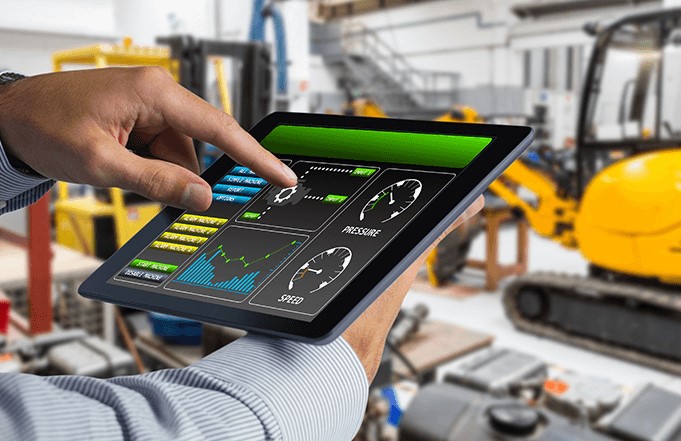
Automotive suppliers are under constant pressure to deliver consistent parts, respond quickly to quality concerns, and prove what happened during production. A traceability system is the practical link between those demands. It records the journey of a component—from incoming material and machine settings to inspection results, packaging, and shipment—so that a manufacturer can investigate a problem without relying on incomplete paperwork or memory. What traceability means on the production floor Traceability is often described as the ability to follow a product forwards and backwards through the supply chain. In a manufacturing setting, that definition becomes more specific. A plant should be able to identify which material batch was used for…
-
What Manufacturing Evidence Should Travel With a Modular Stormwater System
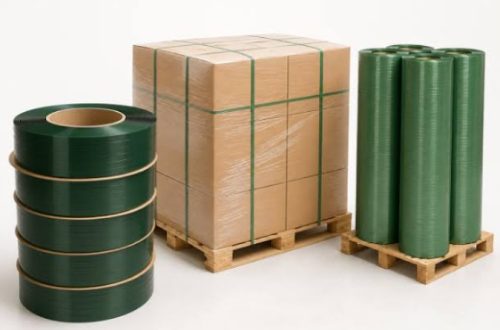
An industrial buyer rarely purchases a modular stormwater system as a visible finished product. The StormTank module is shipped, assembled, wrapped, connected, buried, and then expected to perform inside a project-specific envelope. By the time an asset owner sees a problem, the manufacturing label, packing record, installation sequence, and selected module grade may be far from the site. That makes handoff evidence part of product quality. A headline claim about load or material can be useful, but only when the buyer can connect it to the exact model, batch, drawing, and intended application. Otherwise, impressive documents may travel with the shipment while the site team still cannot answer which crate…
-
How Advanced Aluminum CNC Machining Is Supporting the Future of Smart Manufacturing
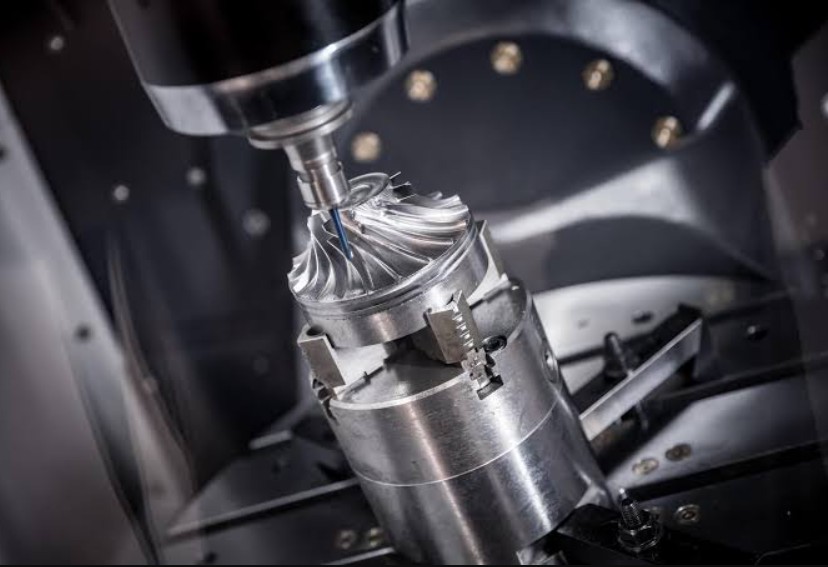
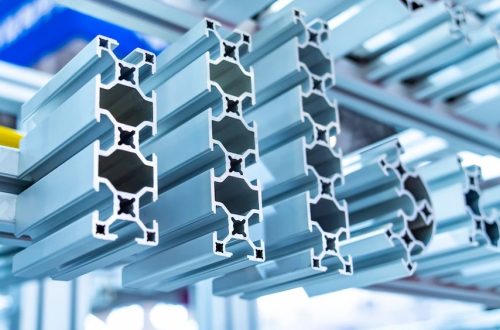
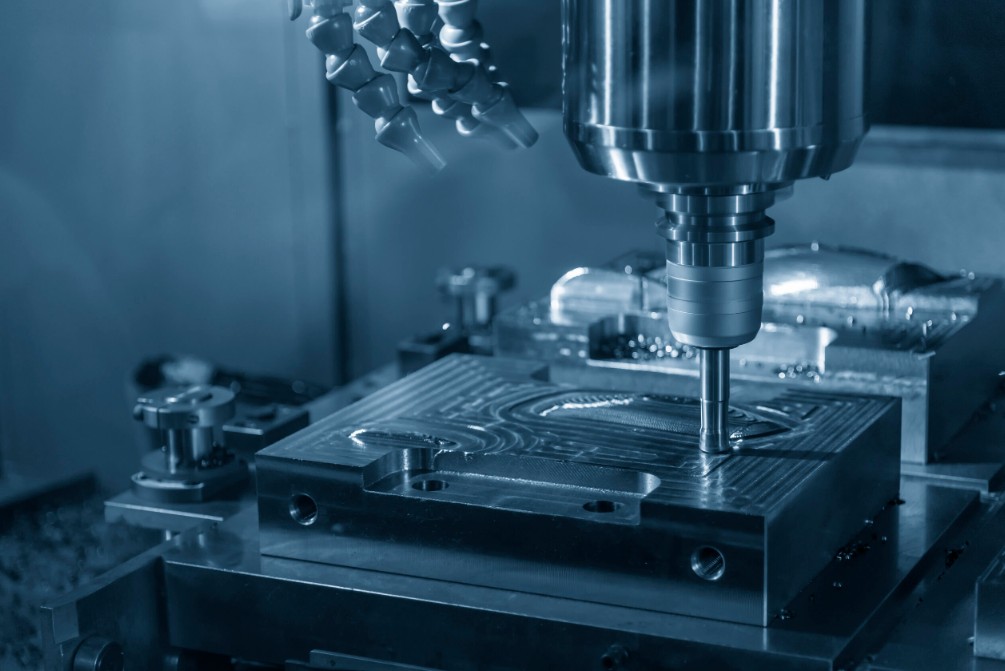
Manufacturing is entering a new era where technology, engineering expertise, and business strategy are becoming increasingly connected. Companies are no longer competing only through production volume or labor costs. Instead, competitiveness increasingly depends on flexibility, precision, speed, and the ability to respond quickly to changing market demands. From electric vehicles and robotics to semiconductor equipment and automation systems, modern industries require lightweight, durable, and highly accurate components. This shift is driving greater adoption of advanced manufacturing technologies, especially precision CNC machining solutions for aluminum components. As manufacturers continue investing in digital transformation, aluminum CNC machining has become an important technology that bridges engineering innovation with scalable production. The combination of…
-
The New Frontier in Precision Manufacturing: Material Expertise in an Era of Reshoring and Digital Transformation
For decades, the blueprint for industrial sourcing followed a familiar pattern: design a part, send the drawing to the lowestcost region, and wait. That model has been dismantled. Geopolitical tensions, supply chain disruptions, and an accelerating push toward electrification have forced manufacturers to rethink not only where components are sourced but also what kind of technical capability their partners must possess. Across every major industry, the bar for precision has risen sharply, and the companies that succeed are increasingly those that pair advanced equipment with deep material expertise. The numbers tell the story. The global precision turned product manufacturing market—covering everything from medical implant screws and aerospace fittings to EV…
-
Groundwater Challenges Facing Manufacturing Plants in 2026
Manufacturing has always depended on water. What has changed is the number of directions from which groundwater is now creating problems for plant operators, and the speed at which those problems are becoming operational and financial rather than purely environmental. In 2026, a manufacturing plant’s groundwater exposure has at least four distinct dimensions. Each requires a different response. Most plants are managing one or two of them. Few are managing all four in a coordinated way. The Supply Side Is Tightening More than one-third of North American industrial activity sits in areas currently experiencing moderate to high water stress, according to WRI Aqueduct 4.0 analysis from 2024. Globally, the picture…
-
Fitness-for-Service Assessment of Aging Manufacturing Equipment: Remaining Life, Structural Integrity & Failure Prevention
Manufacturing facilities worldwide face a common challenge: critical equipment ages, operating conditions push components beyond original design assumptions, and the cost of unplanned shutdowns keeps rising. Heat exchangers develop creep damage after decades of service. Pressure vessels accumulate fatigue cycles that erode safety margins. Reactor internals warp under relentless temperature swings. The question is never whether equipment will degrade, it always does. The real question is whether you can quantify that degradation, predict when failure becomes likely, and make informed decisions about repair, re-rating, or replacement before a catastrophic event forces your hand. That is exactly what a Fitness-for-Service (FFS) assessment as per API 579 / ASME FFS-1 is designed to answer.…
-
Resilient Power in Industrial Settings: Keeping Manufacturing Moving
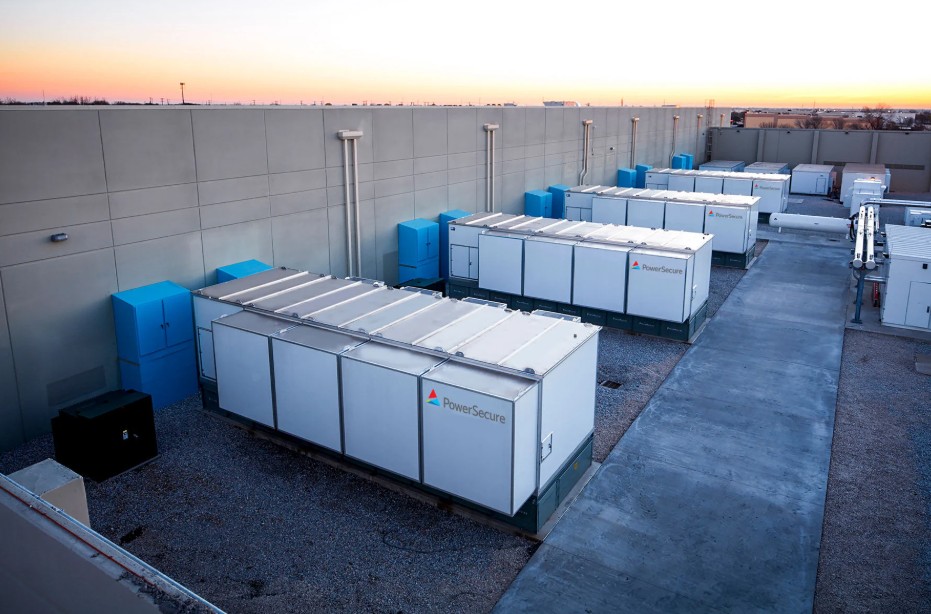
What does uninterrupted manufacturing look like in your operation? Equipment runs as expected. Materials move on schedule. Teams coordinate safely and efficiently. All of these outcomes depend on one critical assumption: stable power throughout the production process. When that assumption breaks down, disruption follows quickly. Lost production, damaged equipment, and missed delivery timelines are often traced back to brief moments of power instability. How Power Instability Affects Manufacturing As distribution and manufacturing operations expand, the demand placed on electrical systems continues to grow. Reliable energy is essential at every phase of production. Raw material handling relies on conveyors and automated sorting systems. Processing operations depend on precise timing. Packaging lines…
-
Swiss Machining and Precision Fastener Manufacturing: Engineering Accuracy in Modern Production
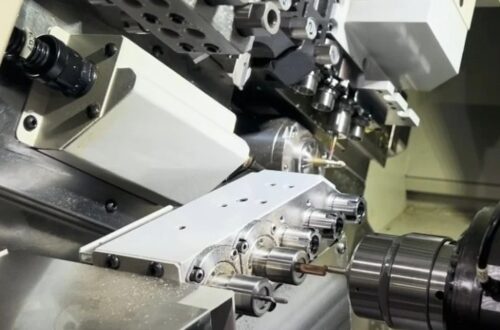
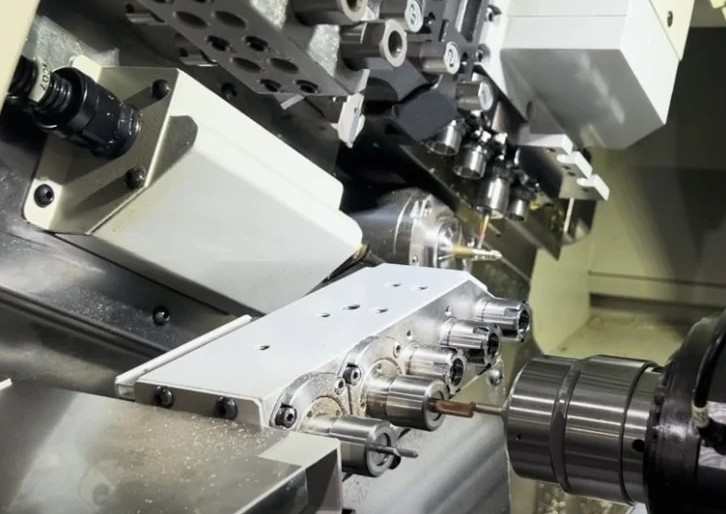
In modern manufacturing engineering, precision is no longer a differentiator—it is a fundamental requirement. As industries such as medical devices, automotive systems, electronics, and industrial automation continue to evolve, the demand for small, complex, and highly accurate components has increased significantly. Meeting these requirements consistently depends on advanced machining technologies and experienced engineering-driven manufacturers. Among all precision manufacturing methods, Swiss machining remains one of the most effective solutions for producing high-tolerance cylindrical parts at scale. Swiss Machining as a Core Precision Manufacturing Process Swiss machining, often referred to as Swiss screw machining, was originally developed to meet the extreme accuracy demands of watchmaking. Today, it has become a critical production…
-
Minimizing Micro-Mistakes in Medical Manufacturing: A Detailed Perspective
In medical manufacturing, tiny inaccuracies are never insignificant. What may look like a minor deviation can create real risk for patients who rely on precise, dependable devices. A slight dimensional error, a rough surface, or a barely noticeable imperfection can affect how a surgical tool or implant performs. Producing safe medical products requires an approach focused on eliminating micro-level defects at every stage. Many issues that weaken device quality are hidden from view. Small burrs left after machining can scrape or catch delicate tissue. Microcracks or tiny surface cuts may expand under repeated stress, gradually compromising the strength of the device. Even small variations in material thickness can affect function,…
-
Closing the Gap Between Manufacturing Plans and Production Reality
In today’s fast-paced manufacturing world, precision planning is critical — but flexibility is what keeps production moving. Many companies still depend on traditional scheduling methods designed for a slower, more predictable era. These static systems struggle to keep up with the realities of modern operations, where disruptions are inevitable and customer expectations are higher than ever. When plans and real-world conditions drift apart, production efficiency suffers. Downtime increases, workflows become unbalanced, and teams are left reacting to problems instead of preventing them. The Limits of Static Scheduling Traditional batch-based scheduling assumes every variable will stay constant — machines will run as expected, materials will arrive on time, and labor will…