Strengthening Safety for Workers in Power Generation Environments
Modern society depends on a constant supply of electricity, and that reliability is made possible by the people who operate and maintain power generation facilities. These environments present a range of hazards, making worker protection a critical priority. Safeguarding employees from injury, including serious and life-threatening incidents, is not just about meeting regulations. It is a core responsibility that supports long term operational success and workforce well-being.
Understanding Workplace Risks
Work in power generation facilities involves far more than monitoring systems from a control room. Employees are routinely exposed to high-voltage equipment, flammable materials, radiation sources, and elevated work areas. Electrical hazards remain among the most serious, with incidents capable of causing severe injury or triggering secondary events such as fires or explosions.
In addition, workers may interact with pressurized systems, large rotating machinery, and confined spaces. Each of these conditions introduces its own set of risks and requires strict adherence to procedures and specialized training to ensure safe operation.
Building a Culture Through Training
Ongoing training is one of the most effective ways to reduce risk in these environments. Regular instruction helps workers stay current with safety regulations, evolving industry practices, and site-specific protocols. Routine discussions, such as safety meetings or briefings, create opportunities to review incidents, reinforce key lessons, and maintain awareness of compliance requirements.
When safety becomes part of daily operations rather than a periodic focus, it encourages a stronger sense of responsibility. Workers who feel informed and supported are more likely to follow procedures and raise concerns before issues escalate.
Ensuring Proper Equipment and Infrastructure
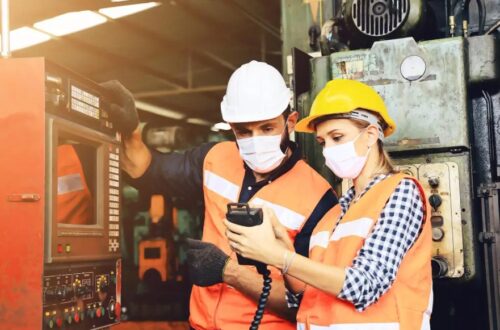
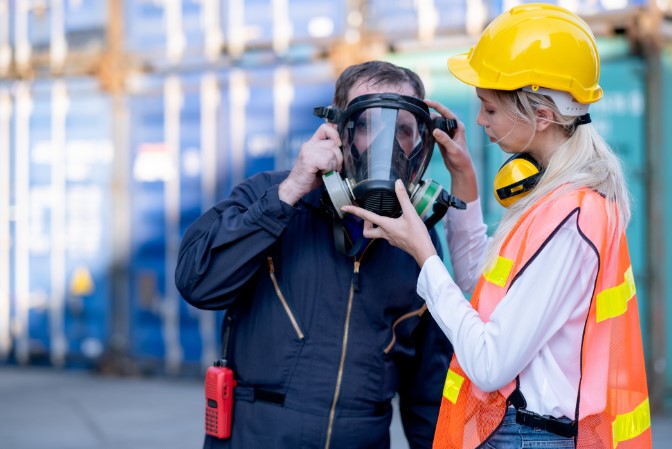
Providing appropriate personal protective equipment is another essential layer of defense. Items such as arc-rated clothing, insulated gloves, fall protection systems, and respiratory protection help reduce exposure to hazards. It is equally important that this equipment is well maintained, properly fitted, and readily available when needed.
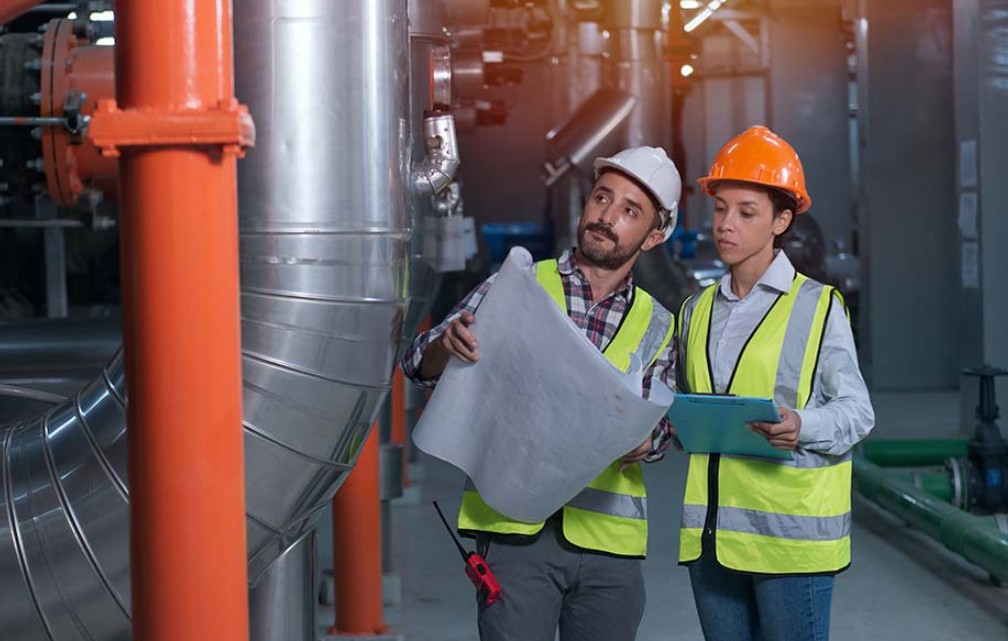
Facility upgrades can further improve safety. Modernizing equipment, replacing aging components, and integrating advanced monitoring technologies can reduce the likelihood of failures and limit the need for manual intervention. These improvements not only enhance worker protection but also contribute to more reliable plant performance.
Encouraging Accountability and Improvement
A strong safety program depends on active participation at every level. Leadership plays a key role by modeling safe practices, promoting open communication, and recognizing individuals who contribute to a safer workplace. When employees feel valued and empowered, adherence to safety standards becomes more consistent.
Regular evaluations, including audits and feedback from workers, help identify areas for improvement. By continuously refining processes, facilities can adapt to new challenges and maintain high safety standards over time.
A Comprehensive Approach to Protection
Improving safety in power generation facilities requires a combination of training, proper equipment, and a culture that prioritizes well-being. Organizations that invest in these areas create safer environments, reduce the likelihood of incidents, and build a workforce that is confident and prepared. In an industry that supports essential infrastructure, protecting the people behind the systems remains one of the most important responsibilities.
For more on this, check out the accompanying resource from Titanium Processing Center, a producer of titanium metal products.