Resilient Power in Industrial Settings: Keeping Manufacturing Moving
What does uninterrupted manufacturing look like in your operation? Equipment runs as expected. Materials move on schedule. Teams coordinate safely and efficiently. All of these outcomes depend on one critical assumption: stable power throughout the production process. When that assumption breaks down, disruption follows quickly. Lost production, damaged equipment, and missed delivery timelines are often traced back to brief moments of power instability.
How Power Instability Affects Manufacturing
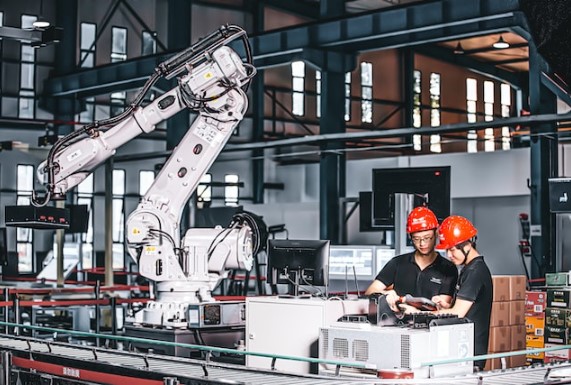
As distribution and manufacturing operations expand, the demand placed on electrical systems continues to grow. Reliable energy is essential at every phase of production. Raw material handling relies on conveyors and automated sorting systems. Processing operations depend on precise timing. Packaging lines require tight synchronization to maintain output. When power interruptions occur, these interconnected systems can shut down simultaneously. Restarting operations often requires recalibration, inspections, and quality checks that slow recovery. Even short power events can trigger shutdowns that take hours or even days to fully resolve. Energy solution providers focus on reducing these risks by delivering dependable and resilient power, giving facilities greater control rather than forcing them to react to emergencies.
Microgrids as a Foundation for Resilient Energy
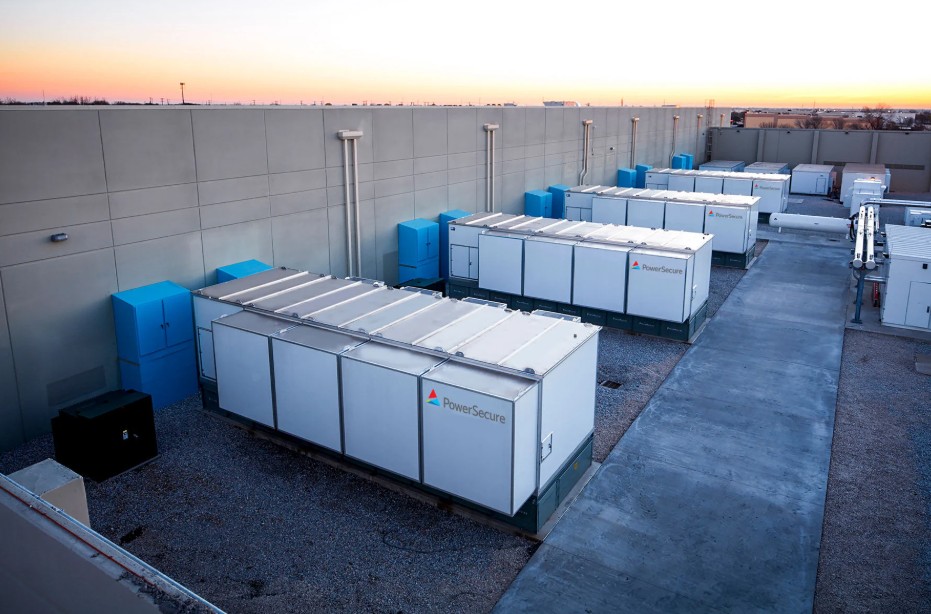
Building resilient power starts with flexibility. Facilities without distributed energy resources remain vulnerable to external disruptions. Severe weather, grid congestion, and upstream failures such as vehicle accidents or wildlife interference can interrupt supply without warning. Manufacturing equipment performs best when voltage and frequency remain within tight limits. Variations can lead to robotic misalignment and errors in control systems. A resilient energy solution, like a microgrid power system, delivers stable power, so equipment operates as designed instead of compensating for inconsistent supply and risking damage.
The ability to separate from the broader grid plays a key role in power resilience. Resilient energy systems can detect instability and disconnect from the macro grid before conditions worsen. Production continues uninterrupted while the larger grid recovers.
Protecting Manufacturing from Order Through Delivery
When power remains stable, operational planning becomes more reliable. Production schedules can be built with confidence that shifts will finish as planned. Unexpected outages disrupt labor planning and inventory movement. Resilient power supports consistent scheduling, helping reduce overtime costs and prevent backlogs. Reliability becomes a planning advantage rather than an uncertainty.
This also means preparing for fluctuating demand. Manufacturing facilities rarely operate all systems at full capacity at the same time. Resilient microgrid designs allow facilities to prioritize critical equipment or support the entire operation as needed. These modular configurations preserve output during constrained conditions while allowing protection to scale. Core production can continue without interruption.
Safety further highlights the importance of resilient power. Industrial environments often involve hazardous processes that require controlled shutdowns rather than sudden stops. Power interruptions increase risks to both personnel and equipment. Resilient systems enable controlled transitions that maintain safe operating conditions and support compliance and worker protection.
When facilities can plan and build safely, manufacturers reduce delays that can ripple through supply chains. Missed delivery deadlines strain customer relationships and damage reputation. Resilient power lowers the likelihood that external grid events disrupt commitments, giving partners greater confidence in delivery reliability.
Success Beyond Delivery
Long term competitiveness increasingly depends on operational resilience. Manufacturers face constant pressure to increase output while managing costs. Downtime quickly erodes margins. Resilient power strengthens competitive positioning by addressing one of the most common causes of unplanned downtime.
So, what does true manufacturing consistency look like for your organization? Manufacturing without interruption is no longer an aspirational concept. It is an operational expectation shaped by market demands and integrated supply chains. Facilities that prioritize power resilience are better positioned to operate reliably regardless of external conditions. Microgrids and resilient power solutions give growing manufacturing and distribution companies greater control and protection in unpredictable environments.