Building the Future: How Sustainability Is Transforming Modern Construction
Sustainability is no longer a buzzword in construction—it’s a guiding principle shaping how projects are designed, built, and maintained. As climate concerns grow and global resources become increasingly strained, the industry faces mounting pressure to adopt environmentally responsible practices. Builders, engineers, and architects are reimagining everything from material sourcing to project execution with one goal in mind: creating structures that last without depleting the planet’s resources.
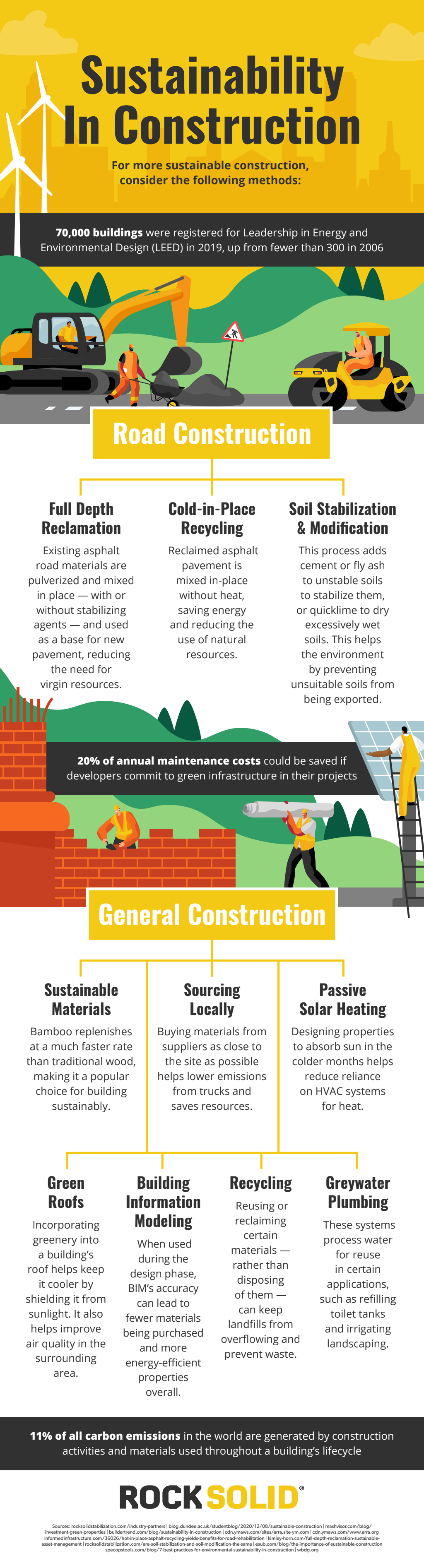
The construction sector plays a major role in global emissions, contributing roughly 11% of all carbon output through energy use and material production. Recognizing this, companies are turning to innovative methods that lower their environmental impact while maintaining efficiency and durability. The result is a new wave of projects that are smarter, cleaner, and designed for long-term performance.
Sustainable Innovation in Infrastructure
Infrastructure and road projects have traditionally consumed vast quantities of raw materials and energy. Today, however, new processes are making it possible to build more responsibly. One of the most effective examples is full-depth reclamation, which involves pulverizing existing asphalt and reusing it as a base layer for new pavement. This closed-loop approach reduces waste, conserves natural resources, and minimizes transportation-related emissions.
Another promising method is Cold-in-Place Recycling (CIR). Instead of heating asphalt for reuse, this process rehabilitates pavement on-site at ambient temperatures, drastically cutting energy use and greenhouse gas emissions. Similarly, soil stabilization solutions and modification techniques—using additives like cement, fly ash, or quicklime—allow for the reuse of on-site soils that would otherwise be discarded. These methods collectively reduce material waste, heavy hauling, and the overall carbon footprint of a project.
Smarter Materials, Smarter Design
The push toward sustainability extends beyond the ground and into structural design. Renewable materials such as bamboo are being recognized for their strength, flexibility, and rapid regrowth, making them a viable alternative to conventional lumber. At the same time, sourcing materials locally helps decrease emissions from transportation and supports regional economies.
Modern architecture is also embracing green roofs and passive design principles to reduce energy demand. Green roofs offer natural insulation and help manage stormwater runoff, while passive solar heating and daylighting techniques harness natural energy to maintain indoor comfort with less mechanical intervention.
Technological advancements like Building Information Modeling (BIM) are revolutionizing the design and planning process. By allowing teams to model every stage of construction digitally, BIM reduces material waste, prevents rework, and enhances the energy efficiency of completed structures.
Reducing Water and Waste
Water conservation has become another key focus of sustainable construction. Greywater recycling systems—which repurpose lightly used water from sinks, showers, and washing machines—are helping reduce demand on municipal water supplies while cutting operating costs.
In parallel, construction waste recycling programs are gaining traction. Reclaiming metals, concrete, and wood not only prevents landfill waste but also lowers expenses tied to raw material procurement. By viewing waste as a resource rather than a byproduct, builders can close material loops and improve both sustainability and profitability.
The Long-Term Payoff
Sustainable building isn’t just an ethical choice—it’s a smart financial strategy. Green infrastructure can lower ongoing maintenance costs by up to 20% annually, and the return on investment often grows over time through energy savings and extended material lifespans.
Market demand is also fueling this shift. In the past decade, the number of projects pursuing LEED certification has skyrocketed as developers, investors, and property owners recognize the value of environmentally responsible design. Sustainable buildings consistently command higher occupancy rates, better tenant satisfaction, and stronger brand reputations.
Conclusion
The construction industry is at a pivotal point. Embracing sustainable practices—whether through material innovation, efficient design, or smarter waste management—is not just about compliance; it’s about leadership. Every green project contributes to a more resilient built environment and a healthier planet.
As the global focus on sustainability intensifies, construction professionals have an unprecedented opportunity to shape the future of development—one that builds smarter, lasts longer, and works in harmony with the world around us.