-
How Advanced Materials and Precision Machining Are Shaping the Future of Manufacturing
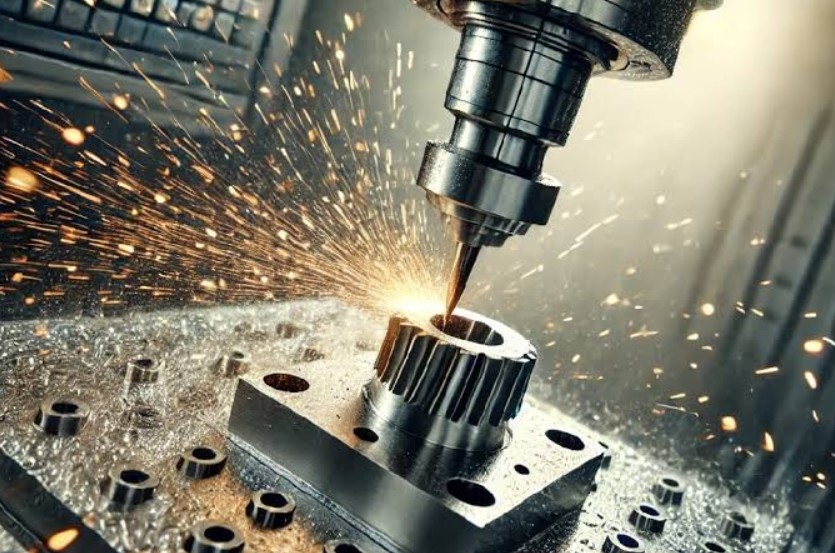
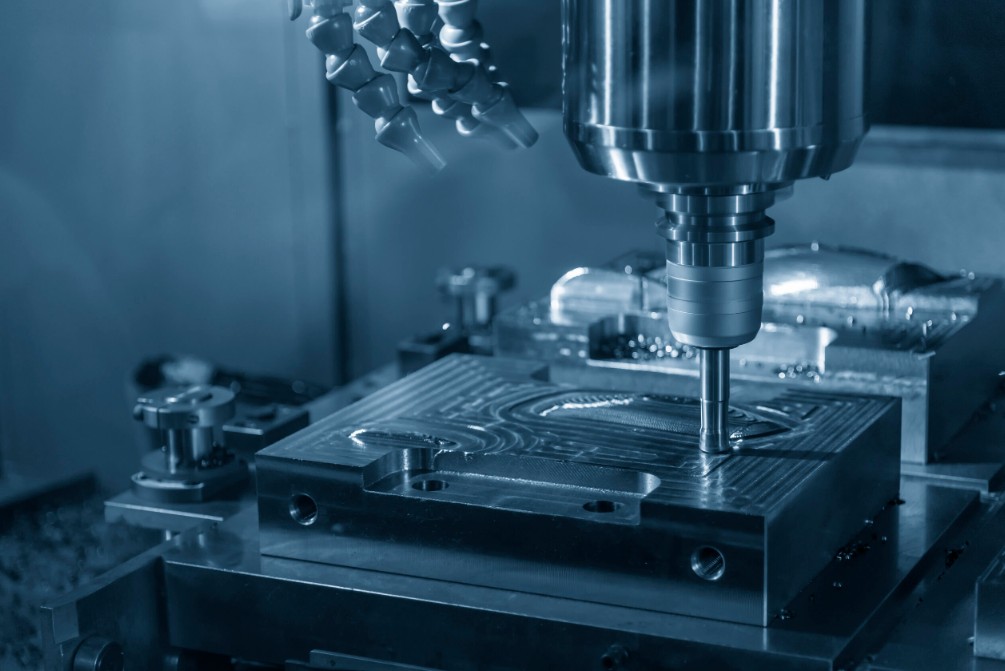
The manufacturing engineering landscape is undergoing a transformation that extends well beyond the factory floor. Supply chain disruptions, shifting trade policies, and the relentless push for greater efficiency have forced manufacturers to rethink not just where they produce, but how they engineer components for the demands of tomorrow. At the center of this shift lies a fundamental reality: precision machining is no longer a support function—it is a strategic capability that determines whether a company can bring new products to market reliably, cost-effectively, and on schedule. Across industries, the direction is clear. Components are becoming smaller, more intricate, and more demanding. Electric vehicles require lightweight structural elements and sophisticated thermal…
-
The New Frontier in Precision Manufacturing: Material Expertise in an Era of Reshoring and Digital Transformation
For decades, the blueprint for industrial sourcing followed a familiar pattern: design a part, send the drawing to the lowestcost region, and wait. That model has been dismantled. Geopolitical tensions, supply chain disruptions, and an accelerating push toward electrification have forced manufacturers to rethink not only where components are sourced but also what kind of technical capability their partners must possess. Across every major industry, the bar for precision has risen sharply, and the companies that succeed are increasingly those that pair advanced equipment with deep material expertise. The numbers tell the story. The global precision turned product manufacturing market—covering everything from medical implant screws and aerospace fittings to EV…
-
Preventing Contamination in Precision Manufacturing Environments
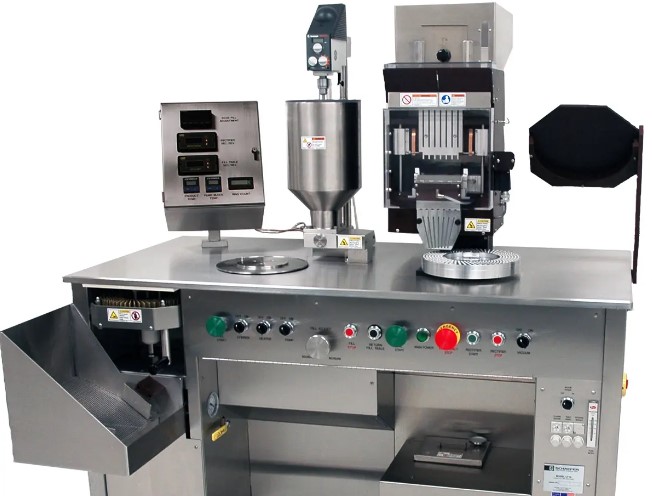
In sectors like aerospace, pharmaceuticals, food processing, and semiconductor manufacturing, cleanliness is more than a best practice — it’s a core requirement. Even the smallest unseen particle can jeopardize quality, disrupt production, or lead to costly compliance failures. Managing contamination in these high-precision environments requires more than standard cleaning routines. It demands a proactive, systems-based approach that addresses both the visible and invisible sources of contamination. Hidden Sources of Contamination A facility may look spotless to the naked eye, but contamination often starts in the least expected places. Normal wear on equipment components — such as seals, bearings, and gaskets — can shed microscopic debris that accumulates over time. If…