-
Plan a Column-and-Boom Station From the Torch Package Outward
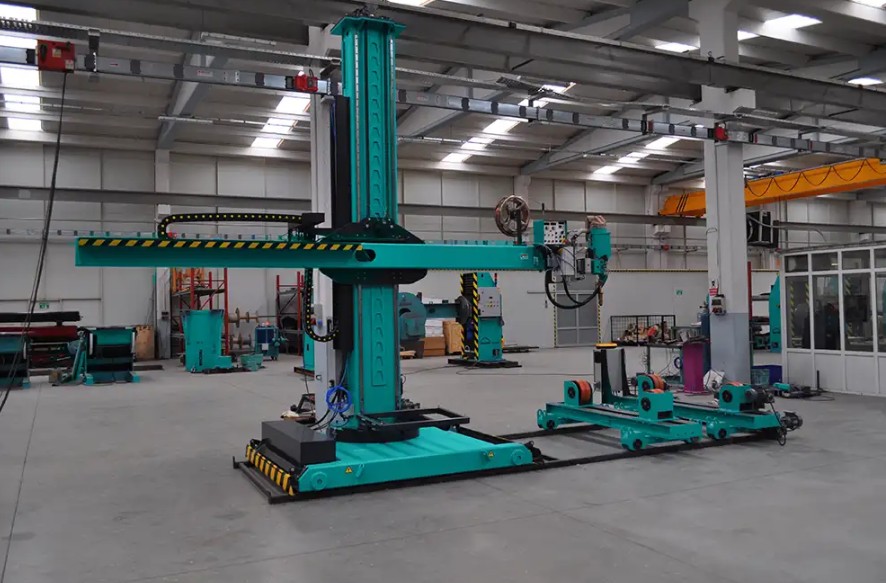
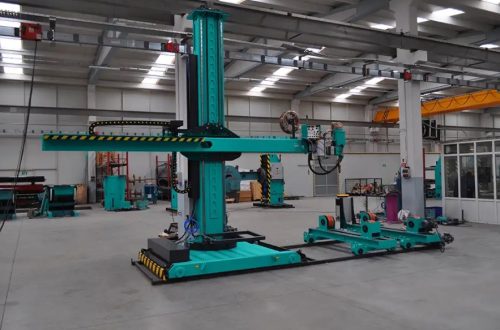
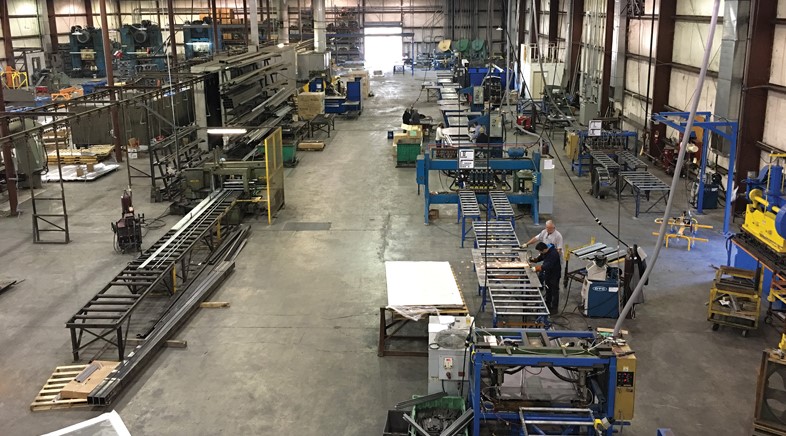
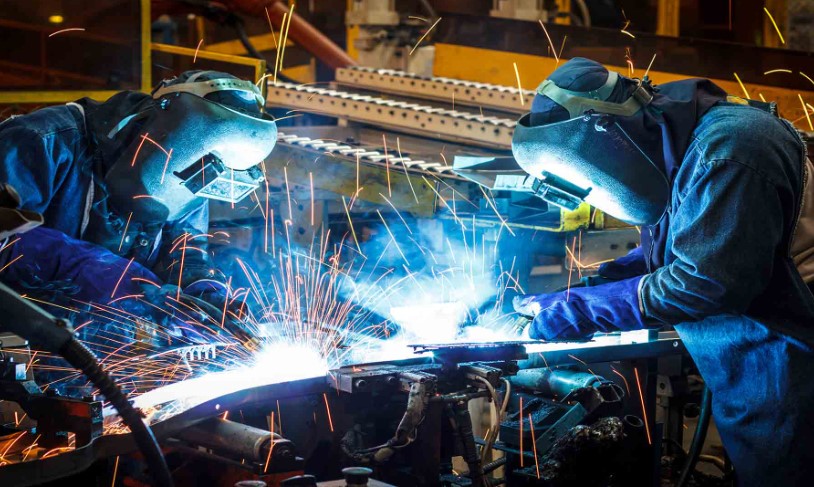
Column-and-boom stations are frequently discussed in terms of maximum reach or a model class. Those numbers matter, but they can create a false sense of simplicity. Booms do not carry only a torch. Depending on the process, they may carry a welding head, wire feeder, flux recovery, cross-slide, camera, seam-tracking hardware, cable package, service platform, and related brackets. Their duty also includes placing that package at the seam through the required lift and travel while the workpiece, support system, and operator access remain inside a workable envelope. Size a manipulator from the complete boom-end package and production envelope outward. Start with the seam, map the workpiece and station, then build…
-
How Advanced Materials and Precision Machining Are Shaping the Future of Manufacturing
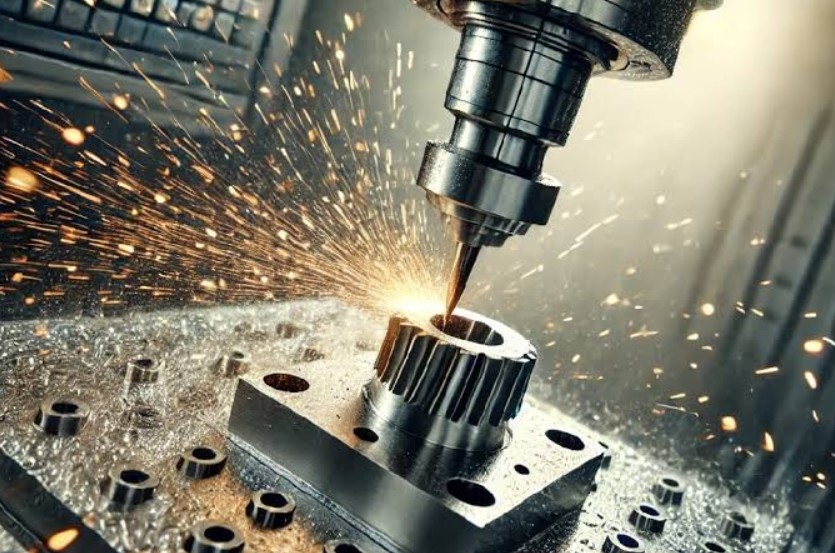
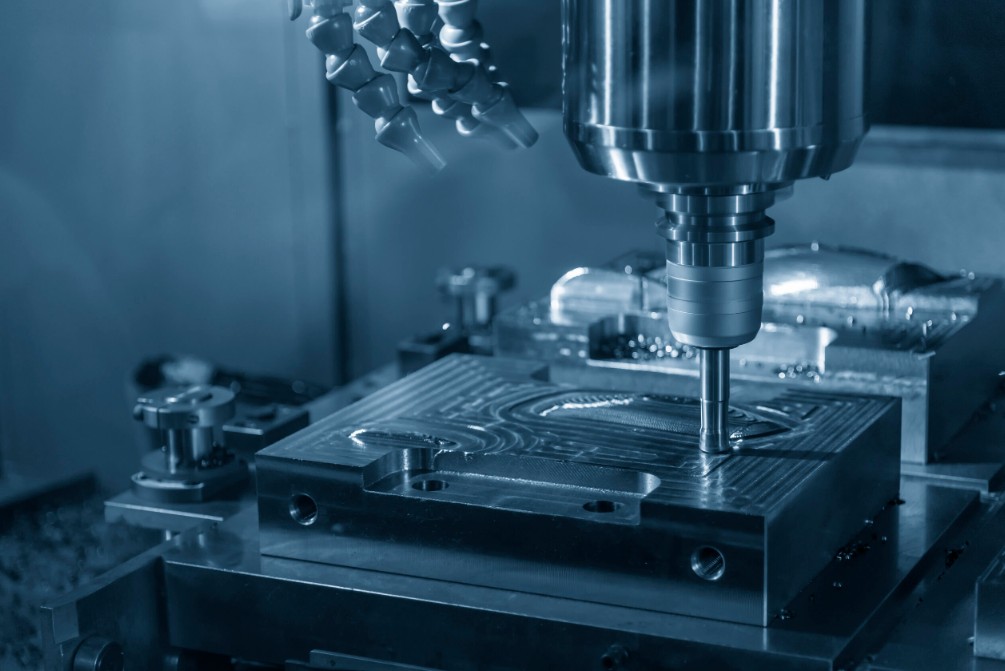
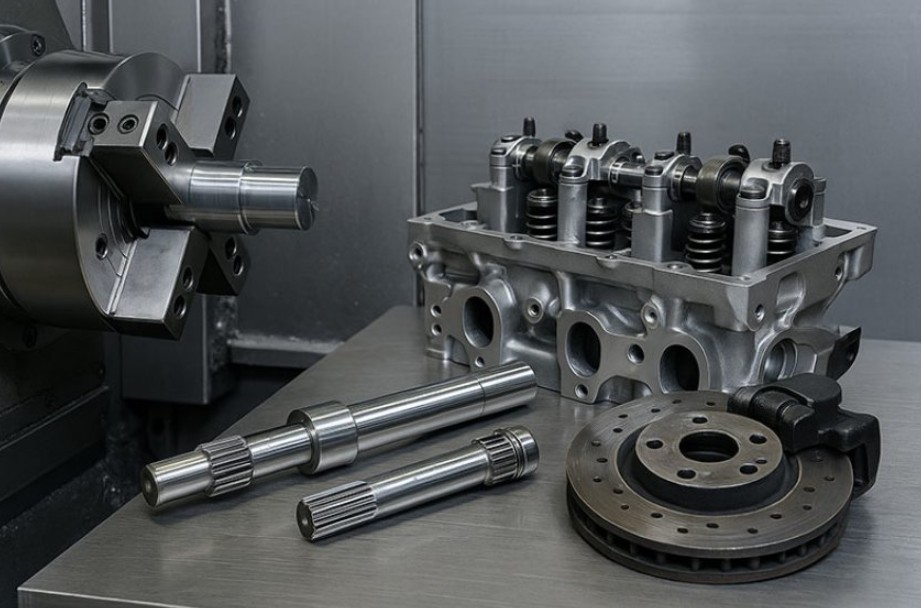
The manufacturing engineering landscape is undergoing a transformation that extends well beyond the factory floor. Supply chain disruptions, shifting trade policies, and the relentless push for greater efficiency have forced manufacturers to rethink not just where they produce, but how they engineer components for the demands of tomorrow. At the center of this shift lies a fundamental reality: precision machining is no longer a support function—it is a strategic capability that determines whether a company can bring new products to market reliably, cost-effectively, and on schedule. Across industries, the direction is clear. Components are becoming smaller, more intricate, and more demanding. Electric vehicles require lightweight structural elements and sophisticated thermal…
-
Creating Hardware Specifications That Support Long-Term Success
Developing hardware specifications is often driven by immediate project goals. Engineering teams need solutions that satisfy technical requirements, support performance objectives, and keep development schedules moving forward. In the early stages of a program, specifications are frequently built around available components and short-term project demands. While this approach can accelerate initial development, it may introduce limitations that become more apparent as products mature and program requirements evolve. A frequent challenge arises when specifications become overly restrictive. Requirements that depend on a single manufacturer, a specific part number, or unusually narrow tolerances may seem appropriate during development, but they can reduce flexibility later. As supply conditions shift and production needs change,…
-
The New Frontier in Precision Manufacturing: Material Expertise in an Era of Reshoring and Digital Transformation
For decades, the blueprint for industrial sourcing followed a familiar pattern: design a part, send the drawing to the lowestcost region, and wait. That model has been dismantled. Geopolitical tensions, supply chain disruptions, and an accelerating push toward electrification have forced manufacturers to rethink not only where components are sourced but also what kind of technical capability their partners must possess. Across every major industry, the bar for precision has risen sharply, and the companies that succeed are increasingly those that pair advanced equipment with deep material expertise. The numbers tell the story. The global precision turned product manufacturing market—covering everything from medical implant screws and aerospace fittings to EV…
-
Groundwater Challenges Facing Manufacturing Plants in 2026
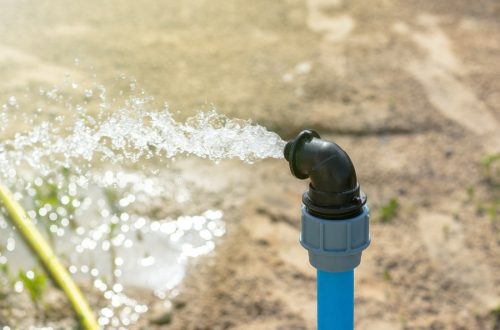
Manufacturing has always depended on water. What has changed is the number of directions from which groundwater is now creating problems for plant operators, and the speed at which those problems are becoming operational and financial rather than purely environmental. In 2026, a manufacturing plant’s groundwater exposure has at least four distinct dimensions. Each requires a different response. Most plants are managing one or two of them. Few are managing all four in a coordinated way. The Supply Side Is Tightening More than one-third of North American industrial activity sits in areas currently experiencing moderate to high water stress, according to WRI Aqueduct 4.0 analysis from 2024. Globally, the picture…
-
5 Engineering Firms That Power and Energy Companies Trust for Complex Projects
Power and energy infrastructure doesn’t leave much room for error. Whether a project involves substation design, oil and gas pipeline systems, electrical distribution for a water treatment facility, or environmental compliance for a utility corridor, the engineering decisions made during planning and design have consequences that last for decades. The firms that earn long-term relationships in this sector are the ones that show up with deep technical staff, multi-disciplinary capability, and a track record of delivering in the field — not just in the report. These are the engineering firms worth knowing if your next power and energy project is on the horizon. 1. Engineering Analytics, Inc. Engineering Analytics, Inc.…
-
Fitness-for-Service Assessment of Aging Manufacturing Equipment: Remaining Life, Structural Integrity & Failure Prevention
Manufacturing facilities worldwide face a common challenge: critical equipment ages, operating conditions push components beyond original design assumptions, and the cost of unplanned shutdowns keeps rising. Heat exchangers develop creep damage after decades of service. Pressure vessels accumulate fatigue cycles that erode safety margins. Reactor internals warp under relentless temperature swings. The question is never whether equipment will degrade, it always does. The real question is whether you can quantify that degradation, predict when failure becomes likely, and make informed decisions about repair, re-rating, or replacement before a catastrophic event forces your hand. That is exactly what a Fitness-for-Service (FFS) assessment as per API 579 / ASME FFS-1 is designed to answer.…
-
Why Precision CNC Turning Is Becoming the Backbone of Modern Manufacturing
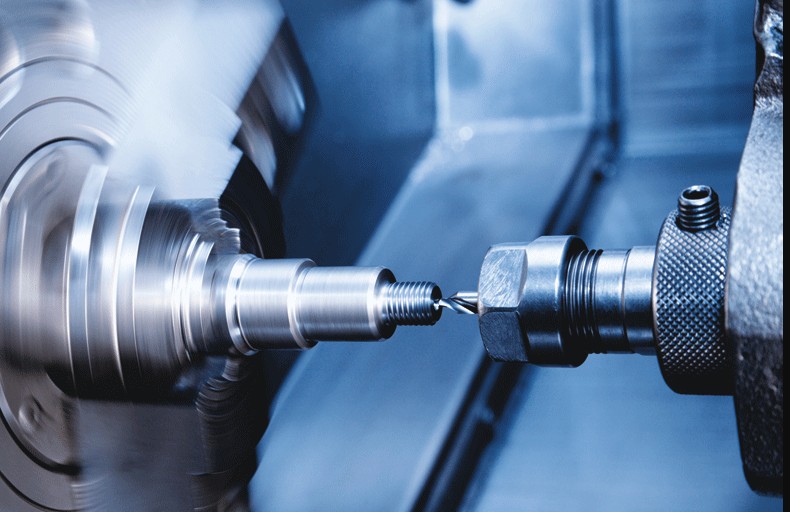
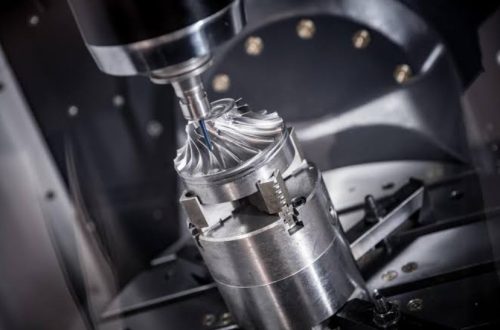
Modern manufacturing is no longer driven by volume alone. Today’s industrial buyers expect tighter tolerances, shorter lead times, material traceability, and consistent repeatability across every production batch. Whether in medical devices, automotive systems, industrial automation, or aerospace assemblies, manufacturers are under pressure to deliver precision components faster while maintaining strict quality standards. This shift is one reason precision CNC turning has become a core process in advanced manufacturing environments. CNC turning is no longer viewed as a simple machining operation — it has evolved into a highly engineered production solution capable of supporting complex geometries, micron-level tolerances, and scalable manufacturing requirements. As global supply chains continue to prioritize reliability and…
-
Five Surprising Benefits of Using a Sewer Scope Camera
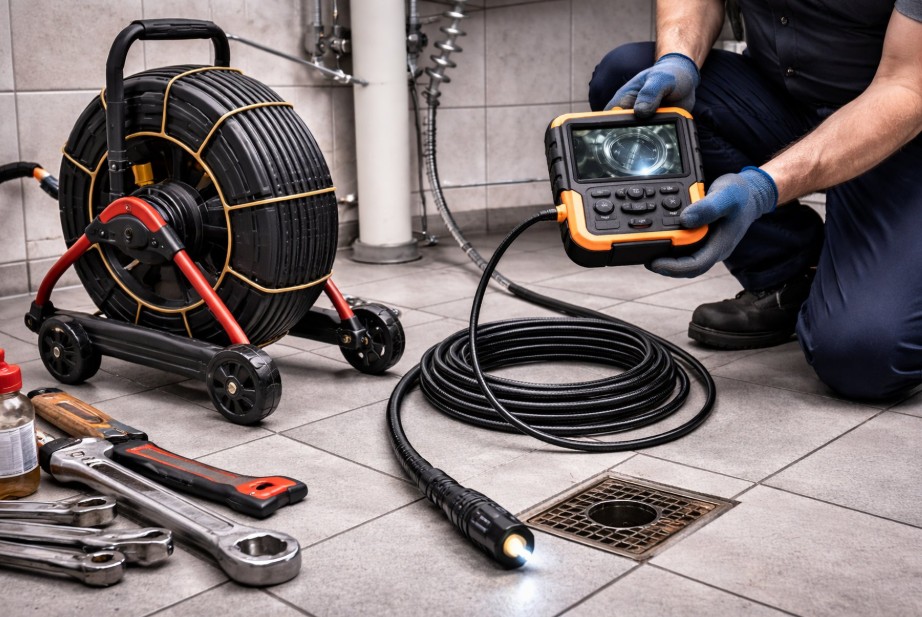
Key Takeaways If you regularly inspect your sewer, you can dodge hefty plumbing disasters that might cost you a fortune. Catching issues early helps prevent flooding, rot, and serious structural damage. A sewer scope camera can uncover hidden problems like clogs, breaks, and pesky tree root intrusions that put your plumbing’s integrity at risk. This tool gives you crucial insights into the state of your pipes. Ignoring warning signs—like unpleasant odors, wet spots, or sluggish drains—can ultimately pile up repair bills and even lead to catastrophic events. Taking a proactive approach means you can manage potential disasters before they spiral out of control. Ponying up for a sewer inspection usually…
-
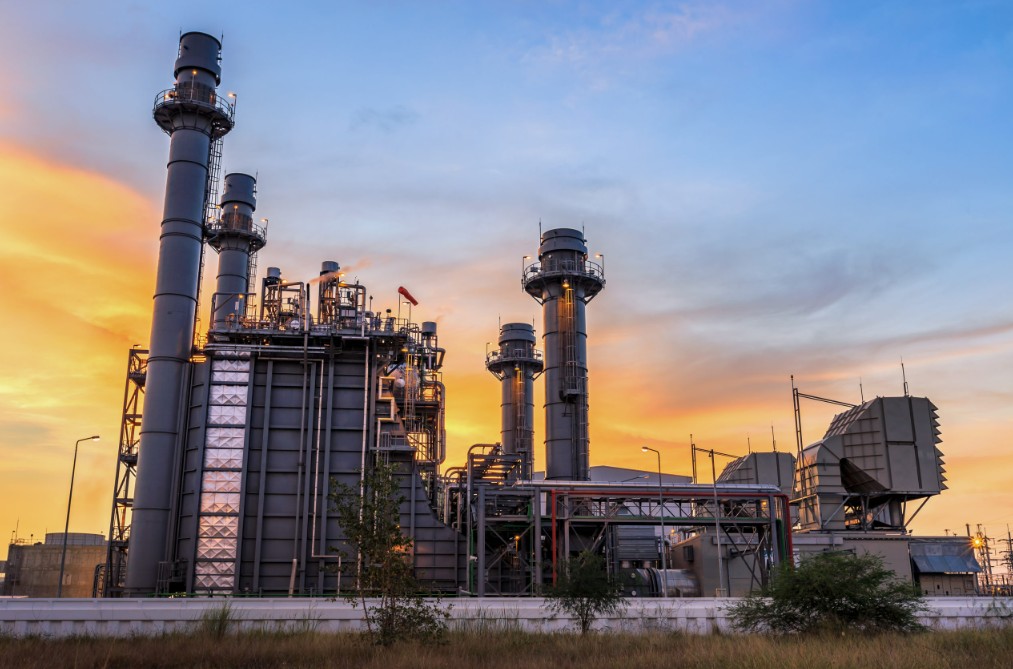
Strengthening Safety for Workers in Power Generation Environments
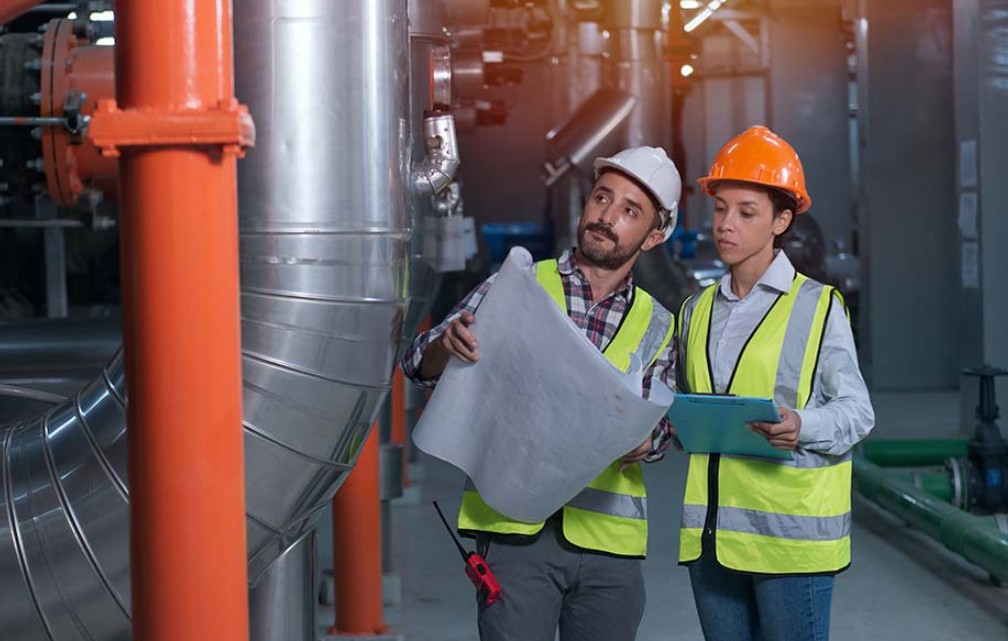
Modern society depends on a constant supply of electricity, and that reliability is made possible by the people who operate and maintain power generation facilities. These environments present a range of hazards, making worker protection a critical priority. Safeguarding employees from injury, including serious and life-threatening incidents, is not just about meeting regulations. It is a core responsibility that supports long term operational success and workforce well-being. Understanding Workplace Risks Work in power generation facilities involves far more than monitoring systems from a control room. Employees are routinely exposed to high-voltage equipment, flammable materials, radiation sources, and elevated work areas. Electrical hazards remain among the most serious, with incidents capable…